
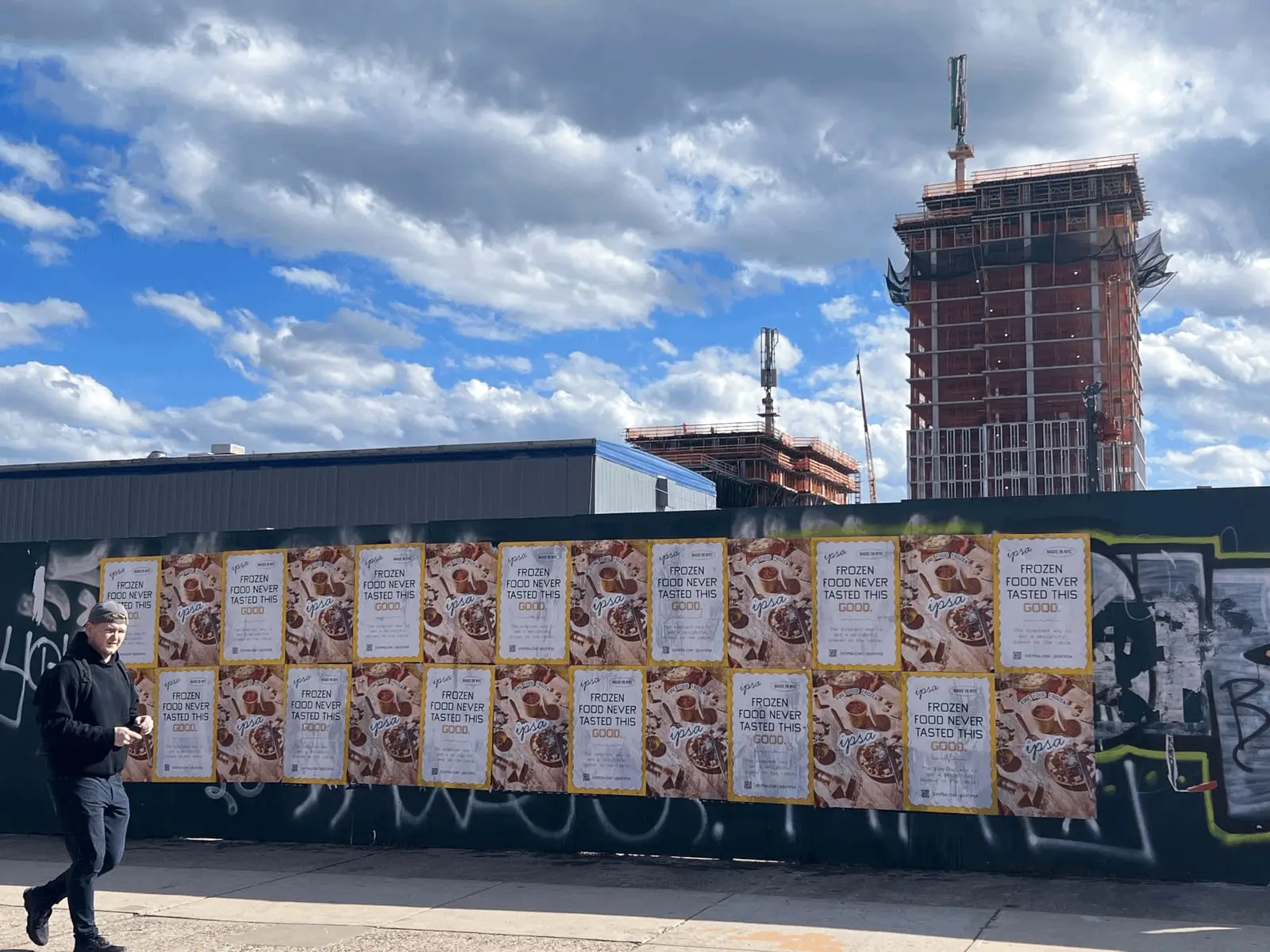
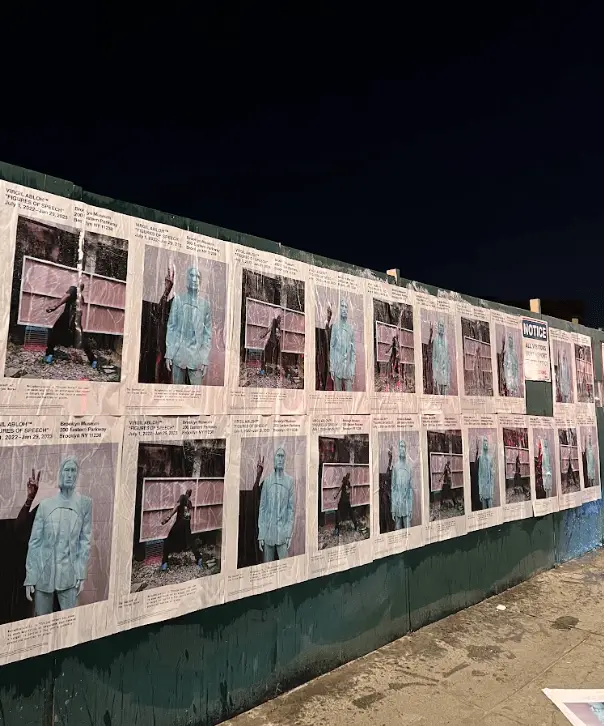
Las Vegas sells spectacle by the square foot, yet some of its most resonant messages live at eye level, on brick and plaster, where paste meets paper. Wheatpasting in this city is tactile and immediate. It invites a pause. It turns a walk into an encounter, a corner into a canvas, and a neighborhood into a shifting storyline that locals and visitors carry with them. The Strip glows, but the streets speak. That tension powers a medium that feels handmade, strategic, and alive.
Why analog work wins in a city built on neon
The city’s advertising machine is massive: stadium-sized screens, kinetic signage, and a 24-hour rotation of spectacle. This scale creates a paradox. The bigger the screen, the easier it is to ignore. Wheatpasting flips the script by asking people to come close. Texture demands attention. Imperfection signals human hands. A poster that wrinkles where a brick juts out carries more emotional charge than a flawless projection.
Las Vegas is perfect for this. It constantly refreshes its audience. Tourists cycle in, locals move through creative corridors, and the nightlife crowd redistributes every evening. Analog placements thrive in zones where screens feel out of place or noisy. A well-built wall campaign in the Arts District can pull eyes without shouting. It feels like a conversation rather than a broadcast.
Sidewalk Tattoos has refined this into both an art and a system. Their teams map city rhythms, align creative to context, and create layered stories that live beyond a single surface.
Mapping the city into stories
Every district has a pulse, and good campaigns lean into it.
- The Arts District: Murals, galleries, warehouse textures, and weekend art markets. Audiences expect experimentation and reward craft.
- Fremont Street and Fremont East: High foot traffic, eclectic bars, street performers, late-night energy. Pacing matters, as viewers see the same route multiple times per night.
- Downtown’s growing corridors: Construction fences, pop-up venues, coffee lines. Open sightlines make tall formats powerful.
- Chinatown: Tight alleyways, foodie destinations, dense signage. Smaller repeats create rhythm and recognition.
- The Strip: Competitive visuals and constant motion. Grand scale placements can cut through, but placement must be precise and legal.
Sidewalk Tattoos builds campaigns that treat each zone like a gallery room. Walls become chapters. Corners become plot twists. A sequence across two blocks reads like a story in panels.
The choreography of size and scale
Poster sizing is not an afterthought. It sets the rhythm of a viewer’s experience, from quick glances to dwell-time reads. Sidewalk Tattoos treats size like typography in motion, using large formats for anchoring and smaller repeats for cadence.
A smart sequence often looks like this:
- Start with a 48x72 anchor where foot traffic converges.
- Mirror the core graphic at 24x36 within a one-block radius.
- Thread 11x17 snipes along common walking paths.
- Add 9x12 repeats near decision points, like venue entrances or crosswalks.
Eyes follow patterns. Scale shifts keep attention. Repeats build memory.
From walls to walkways: mixing mediums the right way
Paper holds the story. Stencils add texture. Sidewalk tattoos connect the path. That trio encourages people to not only look, but move.
- Stencils: Applied with water-based, low-VOC paint. They echo key motifs, add drop shadows, or create a subtle arrow without looking like signage. They also age well, a patina that feels earned.
- Sidewalk tattoos: Vinyl or chalk-based designs that mirror the wall campaign. They prompt motion with copy, color, or iconography. In high-foot-traffic areas, they can act like breadcrumbs, guiding people toward a venue or activation.
When layered properly, the wall does the announcing and the ground does the guiding. People step into the story, literally. In Fremont East or near Downtown Container Park, this creates micro-trails that feel playful and intentional.
Craft, paste, and the beauty of imperfect edges
Good wheatpasting starts long before the first brush hits a wall. Sidewalk Tattoos scouts for texture as much as visibility. Brick grips differently than painted stucco. Metal wants extra attention around edges. Backscatter light from nearby signs can either glow up a poster or wash it out.
A field-tested approach:
- Surface check: Photograph in day and night, note moisture points and shadow patterns.
- Paste: Biodegradable wheatpaste mixed for the local climate, with viscosity adjusted for summer heat or winter chill.
- Application: Back-brush the wall, seat the sheet from the center out, roll the face until the paper settles into the surface, then seal edges.
- Layering: Overlap intentional tears and rough crops. Let seams show. The city’s skin should remain visible.
Wrinkles and overlays tell a story. They remind the viewer a human stood here, with a bucket and brush, building something real.
The audience loop: from sidewalk to social
Analog sparks digital. People pause, shoot, and share. The best walls become backdrops for micro-performances and outfit photos. That behavior multiples reach without paid boosts.
Ways Sidewalk Tattoos builds that loop:
- Placement with space: Leave five to eight feet for someone to step back and frame a shot.
- Easter eggs: Tiny line art, coordinates, or a coded lyric that rewards a close look.
- Framing devices: A color block that naturally centers a person in a portrait.
- Trackable touches: QR codes with branded short links, NFC taps, or time-specific URLs that avoid clutter.
A single well-placed 24x36 cluster can rack up hundreds of tagged posts in a weekend during First Friday. That exposure pulls in new audiences who were never on the route, then sends them back out to find the wall in person. The loop continues, fueled by curiosity and FOMO.
Respect for place: permissions, neighbors, and city rules
Street-level media works best when it respects its surroundings. Sidewalk Tattoos runs through a responsible playbook on every project.
- Secure permission from property owners or managers.
- Avoid historical markers, safety signage, and sensitive surfaces.
- Set dwell-time goals that consider businesses on the block, more than the brand.
- Schedule installs to minimize disruption, with quiet teams and fast cleanup.
- Provide removal plans or timeboxed commitments when required.
Great campaigns strengthen neighborhoods. They help small businesses by drawing foot traffic, not blocking windows or cluttering entries. That community-first mindset keeps doors open for future creative work.
Sustainability that holds up to Vegas heat
Paste, paper, and paint can be gentle on the environment. Sidewalk Tattoos uses biodegradable wheatpaste, recyclable paper stock, and non-toxic, water-soluble stencil materials. Sidewalk tattoos rely on vinyl with responsible disposal or chalk-based compounds that wear away cleanly.
Heat matters here. Materials are chosen to resist UV fade without adding harmful coatings, and paste blends are tuned so edges stay tight in dry conditions. When a campaign wraps, teams can soften paste with water, lift paper cleanly, and leave the surface as they found it.
Creativity and care can live in the same bucket.
A practical playbook for marketers and artists
If you are planning a campaign in Las Vegas, a simple framework helps:
- Define the feeling first, then the headline.
- Pick two sizes to carry the message and one to repeat it.
- Build a one-mile walking path and stage your story along it.
- Reserve one wall for a single, iconic visual with no copy.
- Add two stencil motifs that echo a key shape or phrase.
- Place sidewalk tattoos where people naturally slow down.
- Use one clear call to action and keep it short.
- Design for wear. The wall evolves over the campaign timeline.
- Track with QR, custom URLs, or unique discount codes.
- Photograph in daylight and at night for social seeding.
This keeps the message focused and the street experience uncluttered.
Field notes from the sidewalk
A music label seeded a debut in the Arts District with a single 48x72 portrait, three crisp 24x36 lyric panels, and a run of stencil arrows that whispered the release date. No logo scream. No wall of copy. People posed with the chorus behind them and tagged the artist without being asked. The label reported a spike in pre-saves matched to the QR in the stencil trail.
A local food collective tied a night market to Chinatown with 11x17 repeats that formed a breadcrumb path from parking to stalls. Sidewalk tattoos marked two crosswalks with a simple bowl icon. Vendors saw lines form faster and move smoother, since the path did half the work.
During a tech conference, a brand experimented with a silent wall: nothing but a shape and a color field repeated across Fremont East. The mystery generated guesses on Reddit, then the reveal landed through a projection at a nearby venue. The analog build-up made the digital finale feel earned.
Craft choices that pay off
Sidewalk Tattoos often leans on a handful of design moves that translate well to paste and paint:
- High-contrast duotones that survive harsh sunlight.
- Thick letterforms with generous tracking for legibility at odd angles.
- Cropped portraits that push beyond the edge of the sheet, letting the wall complete the image.
- Negative space that doubles as selfie framing.
- Microtype along the bottom edge for collectors, like a print number or batch code.
Small decisions like these stack into a campaign that looks planned even as it weathers and shifts.
Data without the noise
Not every metric needs a dashboard. The sidewalk gives useful signals if you watch it.
- Scuff marks in front of a wall often mean people paused.
- Tape shadows around torn posters show whether competitors tried to cover you.
- A shift in tags from brand-hashtag to neighborhood-hashtag tells you the community claimed the work.
- If your QR scans plateau but your tagged photos rise, you likely hit a recognition stage where the wall itself became the attraction.
Sidewalk Tattoos blends those street reads with simple digital captures to adjust placements on the fly.
Safety, timing, and the Vegas clock
This city runs on a unique schedule. Install teams work early mornings or late nights to avoid heat, crowds, and traffic bottlenecks. Gloves, masks, and eye protection keep the work safe and clean. Ladders are staged carefully on wide sidewalks, never blocking doors or ADA paths. In high-traffic nightlife zones, a spotter watches the flow while the installer works.
Respect for the street keeps the art welcome.
Creative prompts for your next campaign
- Write a headline that makes sense even when half covered by a new layer.
- Choose one color you will let sun-fade on purpose, then use it as a time stamp.
- Hide a map coordinate that points back to the first poster in the series.
- Give the stencil a personality separate from the poster, like a mascot or motif that outlives the campaign.
- Let one poster exist with no text for the photographers, and one with all the details for the planners.
These prompts help a campaign feel like it belongs to the city rather than sitting on top of it.
Why Sidewalk Tattoos thrives here
Their teams combine gallery sensibility with field discipline. They scout with a designer’s eye, install with a craftsperson’s patience, and think like producers who care about outcomes. They balance a brand’s need for clarity with the street’s appetite for surprise. Most of all, they protect the human feel. A wrinkle left in the right place. A paint lift that reveals the brick. A stencil that fades into the summer. These choices make the work feel lived-in, which is another way of saying it feels honest. Las Vegas will always chase bigger screens and brighter lights. That’s part of its magic. Yet the walls and sidewalks keep welcoming quieter stories that leave fingerprints. You feel the brush lines when you pass. You catch a lyric that sticks the rest of the week. You follow a tiny arrow to a new bar you would have missed. That is the kind of message people carry back to their rooms and back to their cities. Paper, paste, paint, and a little streetlight on a warm night. That is enough here.
Running past the Strip? Our wheatpasting Nevada page covers the rest of the state, and every other market we paste is on the locations page.