
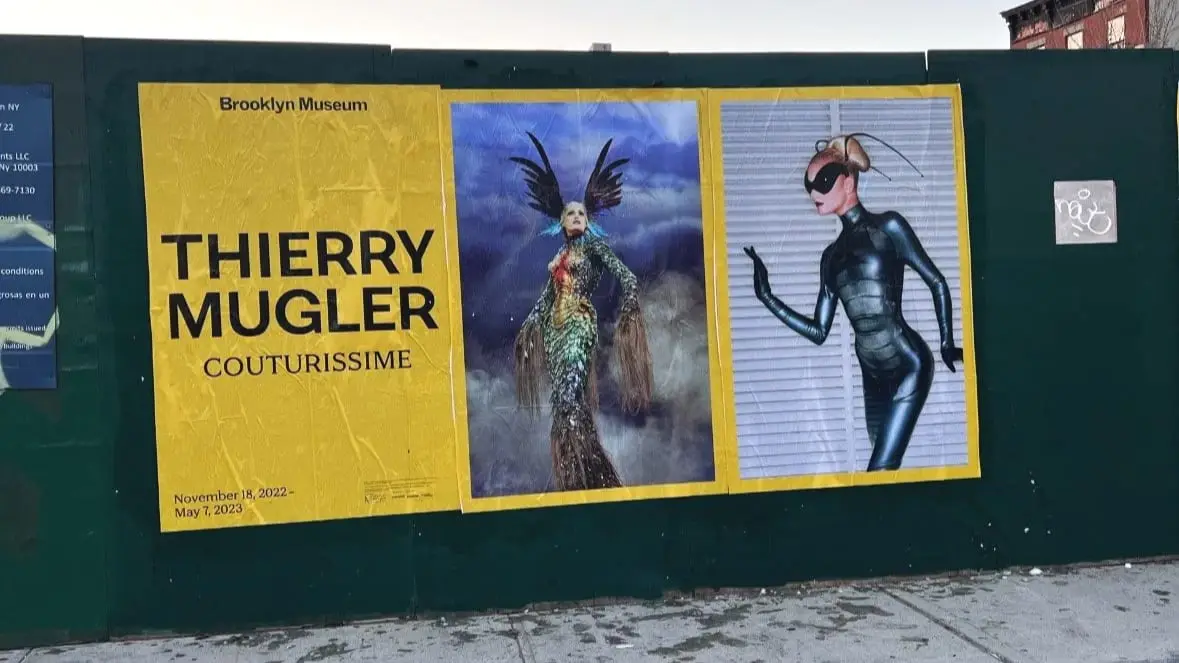
Chicago’s streets already feel like a gallery. Murals tower in Pilsen, glass and steel frame the Loop, and along Milwaukee Avenue a steady stream of passersby brace for whatever visual surprise turns the next corner. That energy is exactly why wild posting fits the city so well. It takes what galleries do best and moves it into the rhythm of public life, meeting people where they walk, wait, and wander. Sidewalk Tattoos specializes in this approach. We plan, design, and install wheatpaste posters in Chicago for art galleries and museums that want a larger, more immediate presence. The results look like a pop-up exhibition stitched into the city’s fabric. The vibe is conversational rather than distant. And the effect on awareness can be striking. For sizes and neighborhoods across the city, see Chicago wheat pasting.
From White Cubes to Brick and Steel
Galleries pour care into curation, lighting, and space. But art thrives on encounters, more than invitations. When a campaign turns blank walls into street-level displays, it gives the show a second venue that operates all day.
- Curated poster series can preview the work and tone of an exhibition long before opening night.
- Artist portraits humanize the show for anyone who only knows the gallery by name.
- QR codes and custom URLs send people to the right place to RSVP, buy tickets, or follow a gallery feed.
Placed across Wicker Park, River North, Logan Square, and the Loop, those posters meet audiences that postcards and email lists often miss. Seen one time near a coffee shop, a second time by an L-stop, and a third time outside a record store, the message imprints. It feels like the show is happening in the neighborhood already, not across town behind a desk.
Why Wild Posting Works for Chicago Galleries
Chicago’s art crowds are mobile. They ride, walk, and bike through districts with heavy foot traffic and high visual literacy. Street poster campaigns capture that attention with oversized, colorful work at eye level, arranged in clusters that read like mini murals.
There is a measurable effect. Nationwide out-of-home figures show that more than half of viewers report feeling highly engaged by a poster’s message. A meaningful share of people visit a linked site afterward. In gallery terms, even small gains matter: a 20 percent lift in web visits during the week before an opening can be the difference between a quiet room and a buzzing reception.
Better yet, wildposting for galleries tends to reach people who are culturally curious but not on a house list. That means younger city-dwellers, tourists, students, and professionals who wander through Wicker Park, Logan Square, and River North looking for what’s new. Wild posting advertising Chicago wide doesn’t fight the scroll; it becomes part of the streetscape people already photograph and share.
And it plays nicely with everything else. A single campaign can boost art gallery marketing on Instagram through shares, remind newsletter subscribers with recognizable imagery, and anchor museum marketing Chicago programs with a physical presence near partner venues and hotels.
Design Language That Carries the Exhibit
Design choices matter because a wild poster is both a message and a mini artwork. The best campaigns look like they were pulled straight from the show catalog.
- Color: Lift the exhibit palette directly. A consistent hue across a wall of prints creates instant brand recognition.
- Typography: Use a gallery’s primary type or a typeface that mirrors the show’s voice. Stark sans serifs for contemporary sculpture. Refined serifs for photography shows. Hand-drawn lettering for zines and performance work.
- Composition: Try diptychs and triptychs that connect across seams. Multi-panel wheatpaste layouts can form a larger image that stops people in their tracks.
- Copy: Keep lines short. A punchy headline. Date and time. Neighborhood. A QR code and short URL. That is enough.
- Interaction: QR codes, campaign hashtags, and unique URLs create measurable bridges to digital channels. Use one code per neighborhood so you can compare performance.
Sidewalk Tattoos often invites exhibiting artists to shape the poster look. Chicago street artists have long made the city a living sketchbook, so this collaboration keeps art advertising Chicago campaigns feeling honest, not corporate. The side effect is social: compelling posters end up on Instagram faster than a press release ever will.
Materials and Method: Art with Impact, Sustainably
Street art should be a good neighbor. Sidewalk Tattoos uses biodegradable wheatpaste, eco-friendly inks, and recyclable paper stocks for every gallery and museum run we paste in Chicago. The materials hold up long enough to do their job, then break down without leaving a mess.
Key practices we follow:
- Recycled or FSC-certified paper stocks designed for wheatpaste adhesion
- Soy or water-based inks with rich color and low VOCs
- Biodegradable paste applied with clean tools and consistent coverage
- Planned refresh cycles to prevent clutter or outdated messaging
- End-of-campaign peel-downs and paper recycling, coordinated with property partners
This is more than optics. Cleaner installs last longer, get fewer complaints, and make nearby businesses more open to future collaborations. Sustainable art promotions also reinforce a gallery’s values in a visible way.
A Practical Blueprint: From Brief to Street
Here is a typical Sidewalk Tattoos flow for gallery promotions Chicago teams can plug into their calendars.
Week 1: Strategy and creative brief
Define show theme, audience, target neighborhoods, and KPIs
- Moodboards with typography, color, and reference layouts
- Branding alignment for gallery identity and sponsor lockups
Week 2: Design and proofing
- 2 to 3 poster concepts with size variations
- Copy polish, QR destinations, and tracking links
- Final selection and print preflight
Week 3: Print and placement map
- Print run based on saturation goals
- Map with block-by-block targets near transit, retail, and cultural anchors
- Permits and permissions where required
Week 4: Install
- Team installs in early morning or late evening windows
- Photo documentation and map check-in
- Social teaser content captured on site
Week 5: Monitor and refresh
- Replace tear-offs, add second wave near key dates
- Track QR scans, UTM visits, and hashtag volume
- Adjust placements for gaps or unexpected hotspots
Week 6: Peel-down and report
- Remove or cover superseded posters
- Deliver metrics summary and learnings for the next show
This approach supports museum exhibition advertising, gallery launch marketing, and art week promotions across multiple neighborhoods without losing creative integrity.
What to Measure and How to Improve
Wild posting is physical, but its outcomes are easy to quantify when the setup is right.
Primary KPIs
- QR scans per neighborhood
- Unique URL visits and time on page
- Ticket conversions or RSVP counts
- Instagram saves, shares, and hashtag uses
- Walk-in mentions at the front desk (“Saw it on Milwaukee”)
Tactical tips for better data
- Use different URLs or QR codes for each district to spot strong corridors
- Add a tiny code in the poster corner to identify the creative variant
- Track gallery footfall on install days, opening night, and two days after refresh
- Cross-reference social posts tagged near your placements to see organic reach
Targets vary by show and budget, but a campaign that drives 300 to 800 QR scans across Wicker Park, River North, and Logan Square within two weeks is usually on track for healthy attendance. Local art marketing often benefits from frequency. A second wave 72 hours before opening can lift scans again by double digits.
Micro Case Snapshots
Logan Square, multi-panel series
Concept: Four-panel portrait grid with neon accents, each panel a standalone shareable image
- Tactic: Saturation within three blocks of the Blue Line station, with a focus on brewery-adjacent walls
- Result: Web visits from unique neighborhood URLs up 28 percent week over week; noticeable walk-in mentions tied to QR
River North, clean typographic wave
- Concept: Black-and-white poster set with heroic scale typography and a single artwork detail
- Tactic: Clustering near Franklin and Wells, timed with a Friday gallery walk
- Result: Same-day Instagram mentions doubled compared to prior show; strong pickup from hotel concierges pointing tourists to the event
These are modest but meaningful wins that repeat across campaigns when the creative and placement map stay tight.
Partnerships That Multiply Reach
Wild posting shines when it sits inside a community of cultural signals. Build alliances that make the campaign feel like part of neighborhood life.
- Cafes and bakeries for counter displays that echo street posters
- Breweries and music venues for co-branded art events advertising
- Boutique retailers for window clings aligned with the poster look
- Local artists and illustrators for limited-run poster variants collectors want to photograph
- Micro-influencers who walk the route, film installs, and tag the gallery
- Community groups and school programs that share public art awareness messages
In Wicker Park and Pilsen, these ties often secure better walls and friendlier attitudes. In River North and the Loop, partners open up access to tourist pathways that a gallery might not reach on its own.
Legal, Ethical, and Practical Notes
Wild posting is creative outdoor advertising, but it needs a professional framework.
- Secure permissions for private walls whenever possible
- Follow city rules for public posting and avoid restricted surfaces
- Keep paste tidy, avoid windows and signage, and respect adjacent businesses
- Document installs and refreshes; be ready to peel down quickly if requested
- Choose materials that remove cleanly and recycle everything you can
Sidewalk Tattoos operates with site lists, agreements, and cleanup protocols so campaigns support the city’s visual culture rather than fight it.
Creative Variations That Spark Buzz
Keep the city guessing. A few ideas we use to stretch attention without inflating spend:
- Multi-size mosaics: Mix one oversized anchor with smaller tiles to mimic a mural
- Glow color accents: One neon spot color that threads through all placements
- Peel-and-reveal layers: A top poster with a tear-away corner revealing a second image
- Street poems: Short text fragments that echo a conceptual show’s voice
- Wayfinding arrows: A series of arrows that literally point toward the gallery
- Limited artist editions: Numbered posters signed at opening night, promoted on the posters themselves
These moves play well with street poster campaigns because they invite a second look and a quick photo.
A Quick Checklist for Your Next Drop
- Define audience, neighborhoods, and a single primary action
- Lock a visual system: color, type, imagery, and copy hierarchy
- Build unique QR/URLs per neighborhood and per creative variant
- Print on recycled stock with eco-friendly inks
- Map walls near transit, retail, and cultural anchors, with a saturation plan
- Install in a tight window for maximum visibility before the event
- Capture photo and video during install and post within hours
- Refresh 72 hours before opening; peel down promptly after
- Track scans, visits, and walk-in mentions; note hot corridors for next time
Sidewalk Tattoos is here for the whole cycle, from concept to cleanup. When a city as visually fluent as Chicago becomes your second gallery, art stops feeling distant. It becomes part of the walk. And that is how culture grows on the street, one wall at a time.
Taking the show to another city? Find it on our locations page.
- Wild posting advertising Chicago
- Street poster advertising Chicago
- Art exhibition advertising and gallery show promotions
- Urban marketing Chicago and creative outdoor advertising
- Wheatpaste advertising Chicago and wild wheatpaste Chicago
- Art marketing agency Chicago and creative sidewalk tattoos