
AI Companies and Wheatpasting: The New Playbook
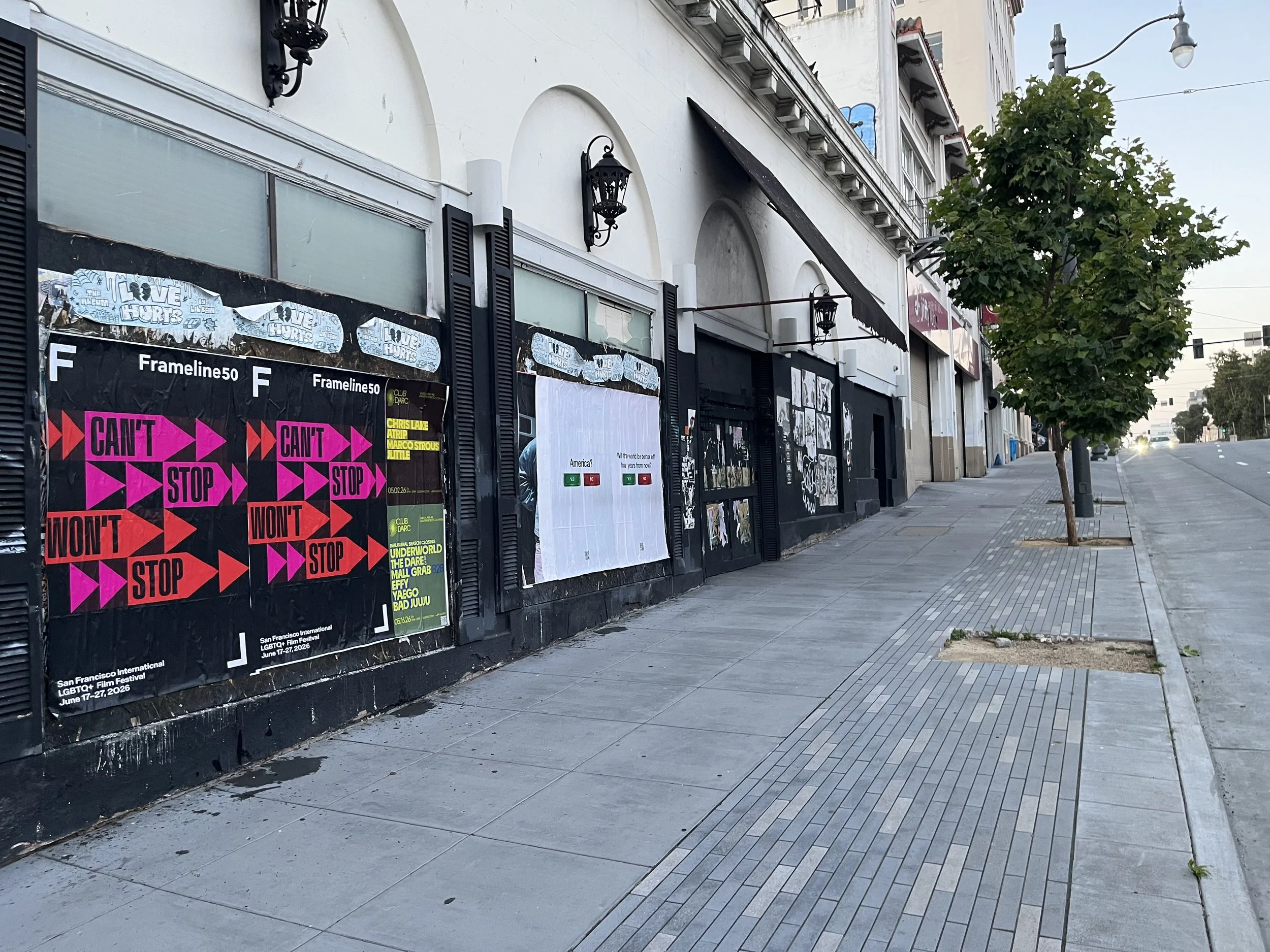
“frameline50” wheat paste install in San Francisco by sidewalktattos
AI companies are famous for moving fast online, yet many of them are now stepping back onto the street.
That shift is not nostalgia. It is strategy. As AI brands flood paid social, search, and creator channels with near-identical claims, city walls and street-level poster runs offer something different: physical presence, repeat exposure, and cultural credibility that does not feel generated by the same system everyone else is using.
The timing makes sense. IAB reported in 2025 that more than half of marketers already use GenAI for creative content and audience targeting, and nearly all expect their AI use to grow next year. When the marketing stack becomes easier to automate, the battle moves to attention, memory, and distinctiveness. Wheatpasting gives AI companies a way to look less like a dashboard and more like a movement.
Why AI companies are moving budget to wheatpaste campaigns
Digital performance media still matters, but AI brands face a category problem. Their products can sound abstract, their visuals can blur together, and their claims often compete in a crowded sea of prompts, copilots, agents, and assistants. A street campaign forces clarity. A poster has one shot to earn a glance, make a promise, and stick in the mind.
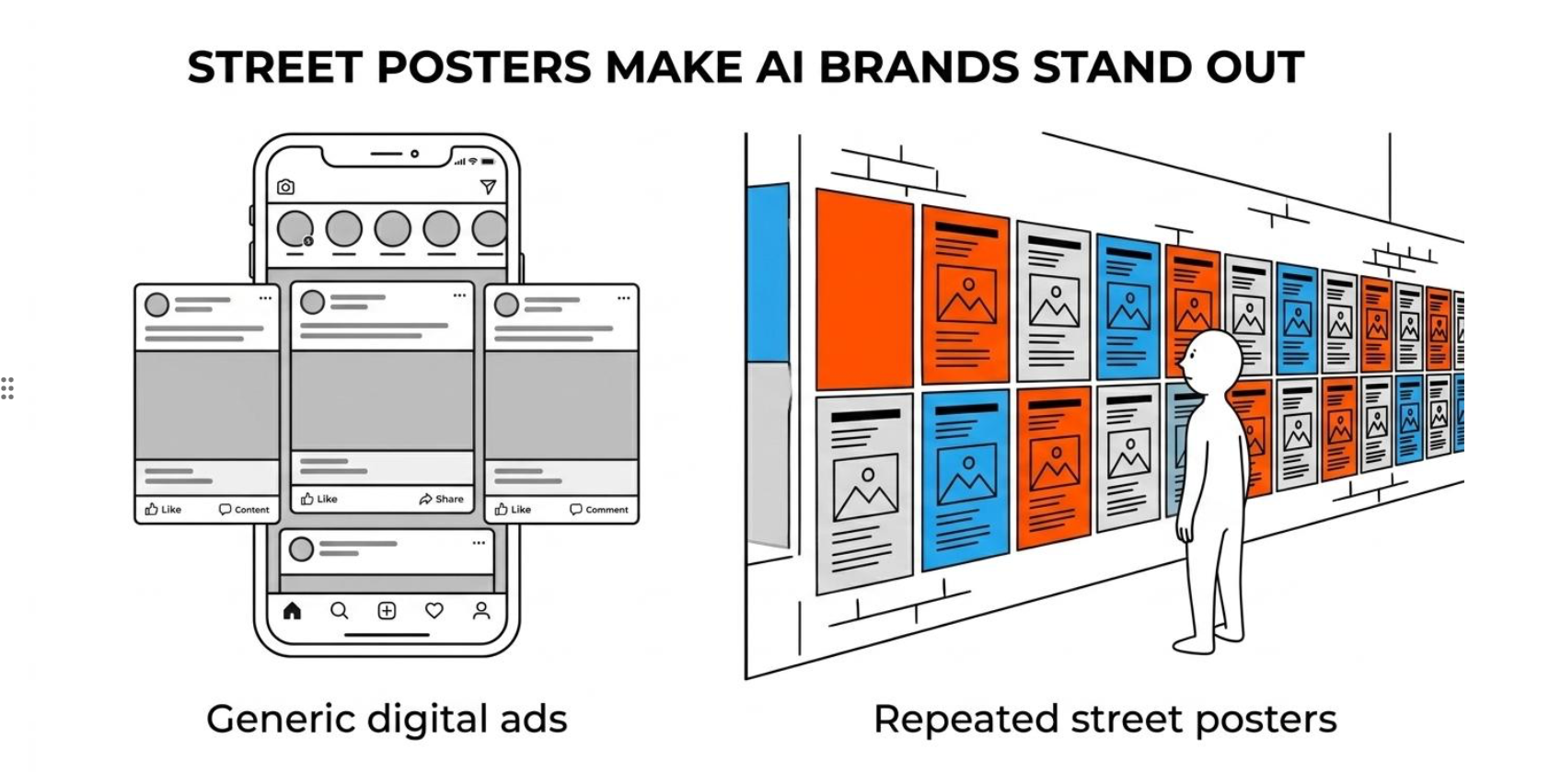
how brands standout by sidewalktattos
That constraint is useful. It sharpens positioning. A founder who struggles to explain the product on a landing page often finds the right line when limited to seven words on a wall in SoHo, the Mission, Shoreditch, or Silver Lake.
There is also a measurement shift happening around out-of-home media. Nielsen announced in February 2025 that its out-of-home measurement covered 100% of the contiguous U.S. television population, up from 66% the prior year, backed by accredited Big Data + Panel measurement. Street marketing is still a different format than standard billboard inventory, though the broader market signal is clear: physical media is becoming easier to quantify and defend inside serious media plans.
Social behavior strengthens the case. A 2024 Harris Poll study for OAAA found that 67% of adults had seen some kind of social media element in an out-of-home ad, and 52% said those elements made them more likely to engage with the brand online. That matters for AI brands because the best wheatpaste campaigns do not stop at the wall. They travel into Stories, Reels, group chats, product forums, and launch threads.
After years of digital-only growth tactics, many AI companies now want street media that can do a few things at once:
Rebuild memorability
Create visual proof of momentum
Turn abstract software into a public brand
Support launches, hiring, and fundraising narratives
Generate content that people choose to share
What the new wheatpasting playbook looks like for AI brands
The old version of poster marketing was often loose, local, and hard to document. The new playbook is more disciplined. It starts with mapped neighborhoods, traffic logic, creative hierarchy, legal review, and documentation plans before the first poster goes up.
For AI companies, the strongest campaigns usually center on one message per market. That could be a new product release, a category-defining line, an event takeover, a recruiting push, or a challenge to incumbents. What they avoid is feature overload. Street media rewards focus.
Execution speed is part of the appeal. A specialized street marketing partner can activate quickly, often inside a 48 to 72 hour window, which fits the tempo of product launches, conference weeks, and funding announcements. That speed gives lean AI teams a way to make a market feel active without waiting on a long media buying cycle.
The most effective campaigns often combine repeated visuals with strategic density. A single poster can look like art. Twenty in a row starts to feel like presence.
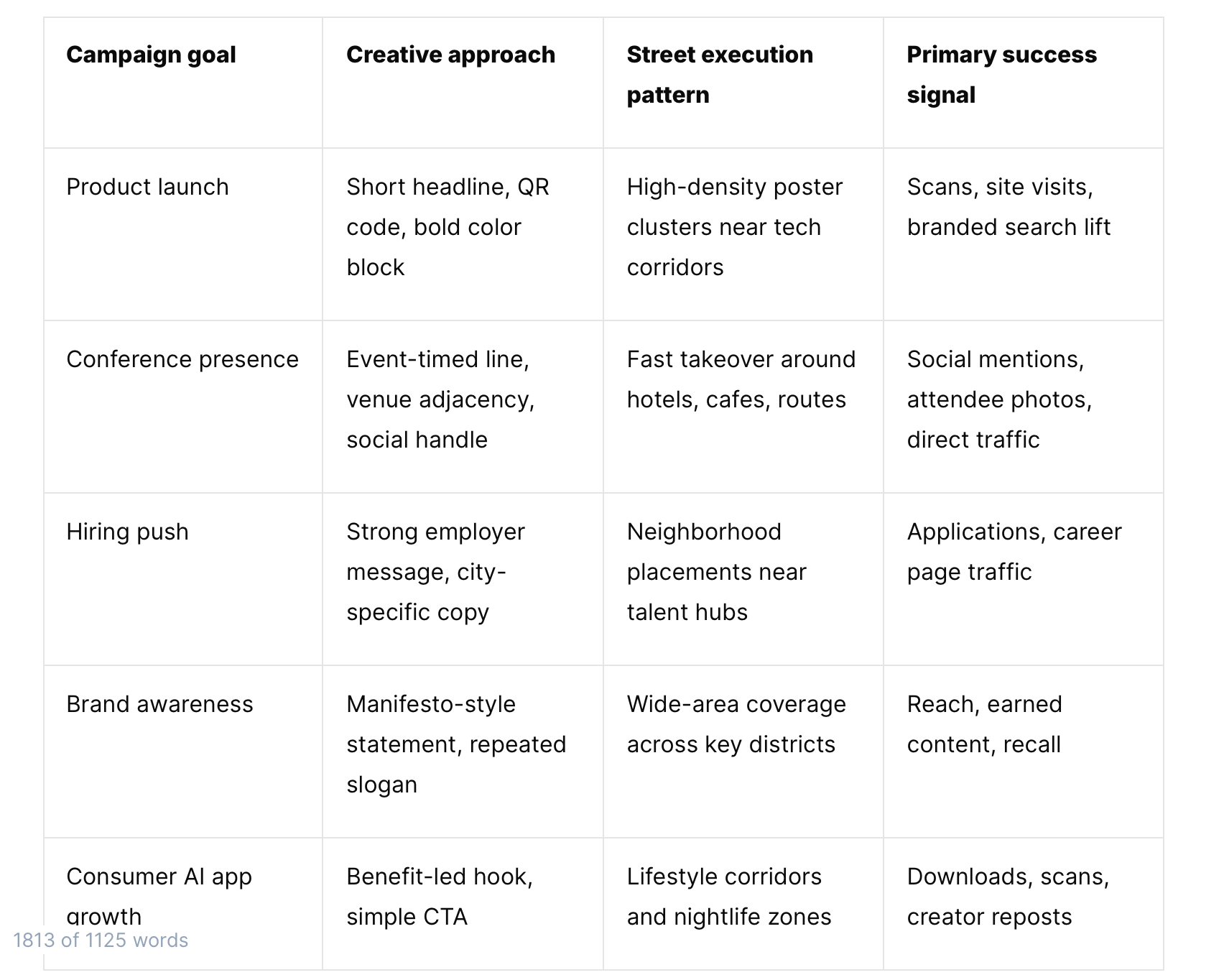
Campaigns illustrations and purpose by sidewalktattos
A sharp wheatpaste plan for an AI company usually includes a few non-negotiables:
Single-minded message: one promise, not a product spec sheet
Visual repetition: same asset across enough placements to build memory
Mapped distribution: neighborhoods selected for audience fit, not guesswork
Documentation plan: photo and geo-tagged proof from every zone
Digital bridge: QR, handle, URL, or launch page that continues the story
How AI product messaging works on posters
AI brands often know too much about their own product. That is a strength in product development and a weakness in street creative.
A poster cannot carry the whole pitch. It has to communicate an idea at walking speed. The best lines are usually direct, slightly provocative, and easy to repeat. They frame a problem, claim a shift, or invite action. They do not read like internal product docs.
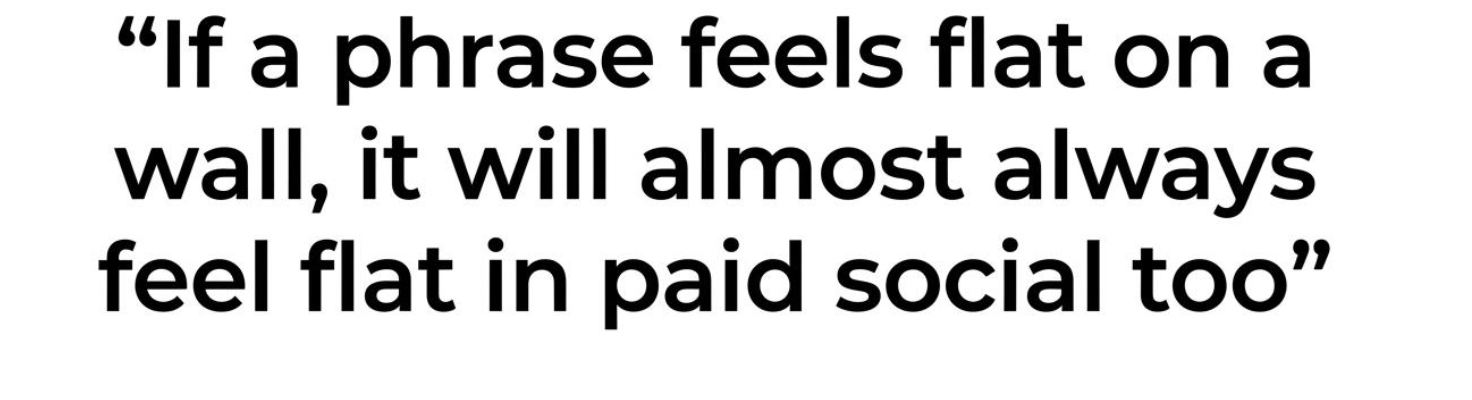
This is where wheatpasting becomes more than media placement. It becomes message testing in public. If a phrase feels flat on a wall, it will almost always feel flat in paid social too.
Creative teams building poster campaigns for AI companies often work from a simpler standard:
Say what changed: name the new behavior, speed, or capability
Cut jargon: if the line needs a demo to make sense, it is too dense
Use the brand voice: sharp, confident, human
Make the CTA real: demo, waitlist, download, event, or handle
Design for distance: bold type and contrast beat subtle detail
How to measure wheatpaste campaigns for AI product launches
Street media is no longer the unmeasurable side project it once was.
The right measurement model starts before installation. That means selecting target neighborhoods based on audience logic, defining launch windows, tagging QR destinations, setting baseline metrics for direct traffic and branded search, and planning documentation standards. When a campaign goes live, the field output should come with mapped coverage and photo verification rather than vague claims of reach.
For AI brands, the strongest reporting often combines old-school proof with digital signals. Geo-tagged photos show physical execution. QR scans reveal active response. Branded search lift shows rising awareness. Social mentions and reposts show cultural spread. Site analytics can isolate traffic spikes during the exact days and cities where posters appeared.
This blended model works well for startups because it matches how attention actually behaves. A founder sees the wall, posts it on X, someone shares it in Slack, another person scans the code on the walk home, and a week later a prospect types the company name into search after seeing the same design again in a different neighborhood.
A practical measurement stack may include:
Photo documentation
Geo-tagged install logs
QR and URL tracking
Branded search trend review
Social listening during campaign dates
Landing-page conversion by city
Legal rules for wheatpaste and sidewalk advertising
Street campaigns need strong creative, but they also need rules.
Wheatpaste posters, stencils, and other public-facing formats exist inside a regulated environment where property type, municipal code, permitting, and disclosure standards can all matter. A good campaign partner does not treat this as an afterthought. They build the execution plan around what is allowed in the market and what must be avoided.
City rules vary. In Chicago, for example, the municipal code prohibits posting commercial advertising matter on sidewalks, crosswalks, curbs, lampposts, traffic-light poles, hydrants, tree boxes, and similar public fixtures unless state law or local ordinance permits it. That is a useful reminder that not every visible surface is fair game, and that public fixtures carry their own restrictions.
The legal review is not only about placement. It is also about claims. The FTC requires advertisers to comply with truth-in-advertising standards. If a poster promises capabilities the product cannot deliver, or if it uses endorsements, testimonials, or reviews without meeting the agency’s current guidance, the brand may create risk long before the campaign earns traction. The FTC’s revised Endorsement Guides and its rule around consumer reviews and testimonials matter here, especially for AI products that may be tempted to overstate performance.
A sensible compliance checklist usually covers:
Placement rules: public property limits, private property permissions, local ordinances
Creative claims: accurate product language, supportable comparisons, no misleading guarantees
Endorsements and reviews: FTC-compliant use of testimonials, creators, or user quotes
Material choices: temporary, removable, and market-appropriate installation methods
Internal approval: legal and brand review before printing
Where wheatpasting creates the most value for AI companies
Not every AI brand needs a national campaign. Many get the best return from concentrated bursts around a single moment.
That could be a launch at a major tech conference, a consumer app rollout in two cities, a hiring push around an engineering hub, or a brand reset after a funding announcement. In each case, the goal is not mass reach alone. The goal is to make the right audience feel the brand is suddenly everywhere.
This matters for AI because category leadership is often as much about perception as product depth. When a company appears on the streets around the places where investors, developers, creators, and founders already move, it changes the emotional texture of the brand. It feels live, current, and ambitious.
The most common high-value moments include:
Product launches
Conference week takeovers
Fundraising announcements
Recruiting campaigns
New city expansion
Consumer app download pushes
What AI brands should expect from a wheatpaste campaign partner
A serious street campaign needs more than a print file and a crew. It needs market knowledge, location logic, installation discipline, creative adaptability, and proof after the work is done.
That is why many AI brands choose agencies built for this format rather than trying to piece it together city by city. A specialized team can handle wheat pasting, sidewalk stencil activations, custom poster installations, neighborhood mapping, geo-documented reporting, and fast deployment across major U.S. cities and international markets. Combined poster and stencil takeovers can be especially strong when a brand wants both wall presence and repeated sidewalk touchpoints.
For teams moving fast, that operational layer matters as much as the idea itself. The campaign has to appear in the right places, within the right window, with consistent visuals, compliant execution, and reporting that a marketing lead can actually take back to the company.
If your AI company is ready to trade some digital sameness for physical presence, this playbook is already in motion. Clear message. Mapped streets. Fast installs. Real-world visibility with digital spillover.
Sidewalk Tattoos plans and runs wheatpaste and stencil campaigns for AI brands that want city-level impact with documented execution. If that is the next move for your launch, now is a good time to put it on the wall.
Reach out for more information :
929.678.0235
