
Sidewalk Stencil Advertising in Atlanta, Georgia
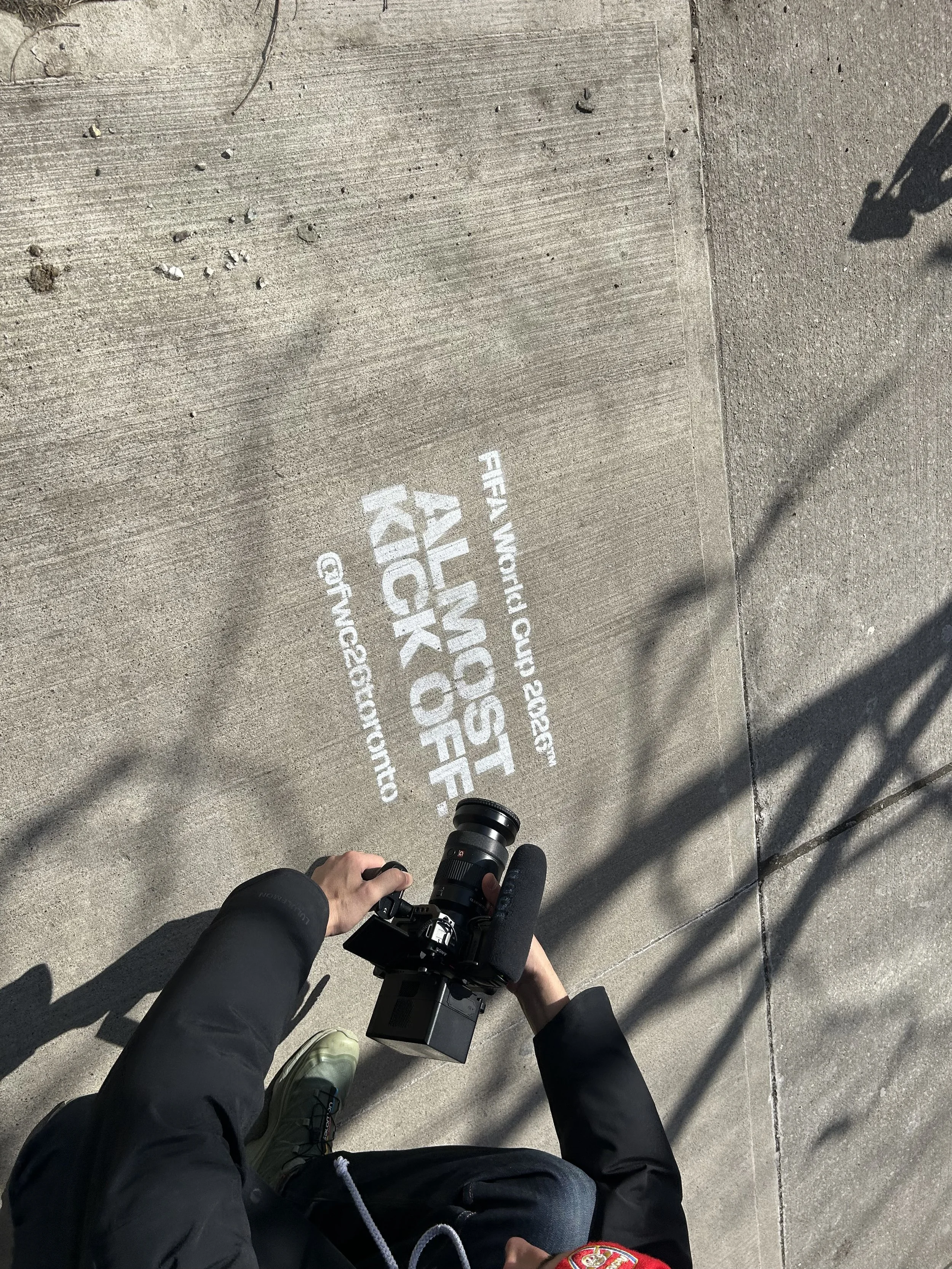
Atlanta rewards street campaigns that feel native to the city. Sidewalk stencil advertising does exactly that. It places bold, temporary messages directly into the pedestrian flow, turning ordinary pavement into a high-visibility media surface that people actually notice while they move through neighborhoods, events, nightlife districts, and commercial corridors.
For brands that want presence without the static feel of traditional placements, this format offers speed, repetition, and strong visual recall. A well-planned stencil campaign can create dozens or hundreds of touchpoints across Atlanta, giving a launch, event, product drop, or local promotion a strong street-level identity in a short time.
Why Atlanta is a strong market for sidewalk stencil campaigns
Atlanta is built for movement. People circulate between dense business areas, entertainment districts, campuses, stadium zones, retail clusters, and festival-heavy pockets throughout the metro. That constant foot traffic gives sidewalk media an unusual advantage: it meets people where they are already looking.
The city also supports many kinds of brand activity. Music releases, fashion launches, startup activations, nightlife promotion, food and beverage campaigns, sports-related buzz, and cultural events all benefit from formats that feel immediate and visible. Sidewalk stencils fit that environment well because they can be deployed fast, repeated across multiple neighborhoods, and designed to feel current rather than fixed.
This is especially useful when a campaign needs local credibility, not just reach.
What sidewalk stencil advertising looks like on the street
A stencil campaign uses custom-cut designs and temporary marking materials to apply logos, taglines, directional prompts, event reminders, QR-led calls to action, or visual motifs onto approved pavement surfaces. The result is clean, direct, and easy to scale across a mapped route.
These campaigns are often used for:
Product launches
Event promotion
Store openings
Nightlife marketing
Tour and festival buzz
App downloads
Brand awareness
Neighborhood domination
The best stencil work is simple at a glance and memorable after a few seconds. Short copy, strong contrast, and a clear visual hierarchy usually perform best in busy urban settings.
Planning around Atlanta neighborhoods and audience flow
A smart Atlanta campaign starts with geography, not just design. The placement strategy should reflect where the audience walks, waits, gathers, and exits. That may mean focusing on nightlife corridors in one campaign, retail-heavy sidewalks in another, or high-frequency commuter paths near business and mixed-use districts.
Different neighborhoods create different campaign rhythms. A stencil program aimed at students and young professionals will not be mapped the same way as one built around a convention, pop-up, concert venue, or sporting event. Street advertising works best when the route is shaped around real behavior patterns rather than generic coverage.
That planning stage often includes:
Target zones: Areas selected by foot traffic, event relevance, and audience fit
Surface review: Pavement types and placement conditions that support clean application
Message hierarchy: Short primary copy with brand marks or campaign symbols
Timing windows: Launch dates matched to openings, weekends, releases, or city events
Documentation plan: Photo proof and geo-tagged tracking for each activation point
For national brands and agencies, this local mapping matters. Atlanta is not one uniform media environment. It is a collection of highly active micro-markets, each with its own tempo and visual culture.
How execution is handled
Sidewalk Tattoos builds stencil campaigns to move quickly while staying organized from planning through reporting. That includes route design, production coordination, field deployment, and post-install documentation. Fast timelines are possible, though the strongest results still come from thoughtful lead-in on creative and placement.
A campaign may stay focused on a few blocks for saturation, or it may spread across several Atlanta zones for wider visibility. The right structure depends on the goal: awareness, attendance, directional guidance, market entry, or layered street presence tied to other out-of-home work.
Execution quality is not just about getting marks on the ground. It is about consistency across locations, thoughtful route density, and a campaign look that feels intentional at every stop.
What makes this format effective
Sidewalk stencil advertising stands out because it interrupts routine in a subtle, street-native way. People do not experience it like a banner ad or a printed flyer. They encounter it as part of the city around them, which can make the message feel more immediate and more connected to the moment.
It also works well for repetition. A single stencil can make an impression, but a coordinated run across multiple Atlanta touchpoints creates familiarity fast. When pedestrians see the same visual language near bars, shops, venues, parking routes, and high-traffic corners, the campaign starts to feel bigger than any one placement.
Some of the strongest advantages include:
Street-level visibility: Messages appear directly in pedestrian sightlines
Fast deployment: Useful for short lead times and time-sensitive promotions
Flexible scale: From hyperlocal blocks to citywide rollouts
Cultural fit: A natural match for brands that want a modern urban presence
Temporary materials: Well suited to short-term activations and live campaigns
That mix is why the format is often used by brands that need energy, speed, and a visible footprint without relying on permanent media.
Pairing stencils with other street media
Sidewalk stencils can work on their own, though they often become even stronger when paired with wheat pasting or custom poster installations. In Atlanta, that combination can create a layered campaign that reaches people at multiple heights and moments: on the wall, underfoot, and across a route they travel more than once.
A combined street campaign might use posters for large-format visual impact and stencils for repetition and directional support. Posters carry the fuller image. Stencils reinforce the message in motion. Together, they can turn a neighborhood activation into something that feels coordinated and hard to miss.
This is one of the core strengths Sidewalk Tattoos brings to brand teams and agencies: integrated street campaigns that can be mapped, deployed, and documented across Atlanta or expanded into additional cities when the rollout needs more reach.
Creative direction that works on pavement
Not every design translates well to a sidewalk. Fine detail can get lost. Long copy slows the read. Weak contrast reduces impact. Strong stencil creative tends to be bold, condensed, and disciplined.
The strongest pavement concepts usually follow a few practical rules. Keep the message short. Use a clear brand mark. Make the call to action easy to grasp in seconds. If a QR code or digital step is included, it should support the visual, not compete with it.
Atlanta campaigns often do best when they feel current and place-aware rather than overly polished. Street media should still look professional, but it should also feel at home in the environment where it appears.
Documentation, proof, and campaign visibility
Street marketing moves fast, so reporting matters. Photo documentation and geo-tagged records give teams a clear view of where the campaign ran, how it looked in the field, and how much ground was covered. That is valuable for brand managers, agencies, and event teams that need verification after deployment.
This kind of reporting also helps when campaigns span multiple neighborhoods or cities. A documented Atlanta activation can fit neatly into a larger regional or national street program, giving stakeholders a reliable way to review execution quality and market coverage.
Built for launches, moments, and momentum
Sidewalk stencil advertising in Atlanta is well suited to campaigns that need to show up with confidence and move quickly. It gives brands a way to enter the street conversation with visibility, repetition, and a strong local feel.
Whether the goal is a focused neighborhood push or a broader citywide activation, the format offers a practical path to real-world attention. With smart mapping, clear creative, and disciplined execution, Atlanta sidewalks can become part of a campaign people do not just pass by, but remember.
Frequently Asked Questions
How long do sidewalk stencil campaigns usually last in Atlanta?
That depends on the surface, weather, foot traffic, and material choice. In dry conditions, visibility can hold well for several days. Heavy use along areas like the BeltLine or rain can shorten that window, which is why some campaigns include refresh planning.
What kinds of brands benefit most from sidewalk stencils?
Consumer brands, music events, nightlife concepts, restaurants, and startups tend to perform well. Atlanta’s culture and entertainment scene make it ideal for this format.
Can sidewalk stencils be paired with other street media?
Yes. Combining sidewalk stencil advertising with wheat pasting posters or other street placements increases repetition and overall visibility.
Do stencil campaigns work during major Atlanta events?
They can be especially strong during festivals, concerts, and nightlife weekends when pedestrian traffic increases.
What should the design include?
A logo, short phrase, directional cue, or URL works best. The design should be bold and easy to read quickly.
Is documentation available after installation?
Yes. Photo documentation and placement tracking can be provided.
Can you target specific neighborhoods in Atlanta?
Yes. Campaigns can focus on areas like Midtown, Downtown, Buckhead, and East Atlanta.
Are the materials safe for public surfaces?
Yes. We use eco-friendly, non-damaging materials.
How quickly can a campaign go live?
Turnaround is typically a few days depending on scale and design readiness.
Do you handle production and installation?
Yes. We produce the stencil and handle full installation in all sizes.
Atlanta continues to grow as a major cultural hub, and strong stencil placement can turn everyday foot traffic into repeated brand exposure.
SIdewalk stencil ADVERTISING in the following cities :
sidewalk stencil advertising in Atlanta, Georgia
sidewalk stencil advertising in Austin, Texas
sidewalk stencil advertising in Boston, Massachusetts
sidewalk stencil advertising in Charlotte, North Carolina
sidewalk stencil advertising in Chicago, Illinois
sidewalk stencil advertising in Los Angeles, California
sidewalk stencil advertising in Miami, Florida
sidewalk stencil advertising in Milwaukee, Wisconsin
sidewalk stencil advertising in New Orleans, Louisiana
sidewalk stencil advertising in Philadelphia, Pennsylvania
sidewalk stencil advertising in Phoenix, Arizona
sidewalk stencil advertising in Portland, Oregon
sidewalk stencil advertising in San Francisco, California
sidewalk stencil advertising in Seattle, Washington
sidewalk stencil advertising in Washington, District of Columbia
sidewalk stencil advertising in Houston, Texas
sidewalk stencil advertising in Montreal, Canada