
sidewalk stencil advertising in Washington, District of Columbia
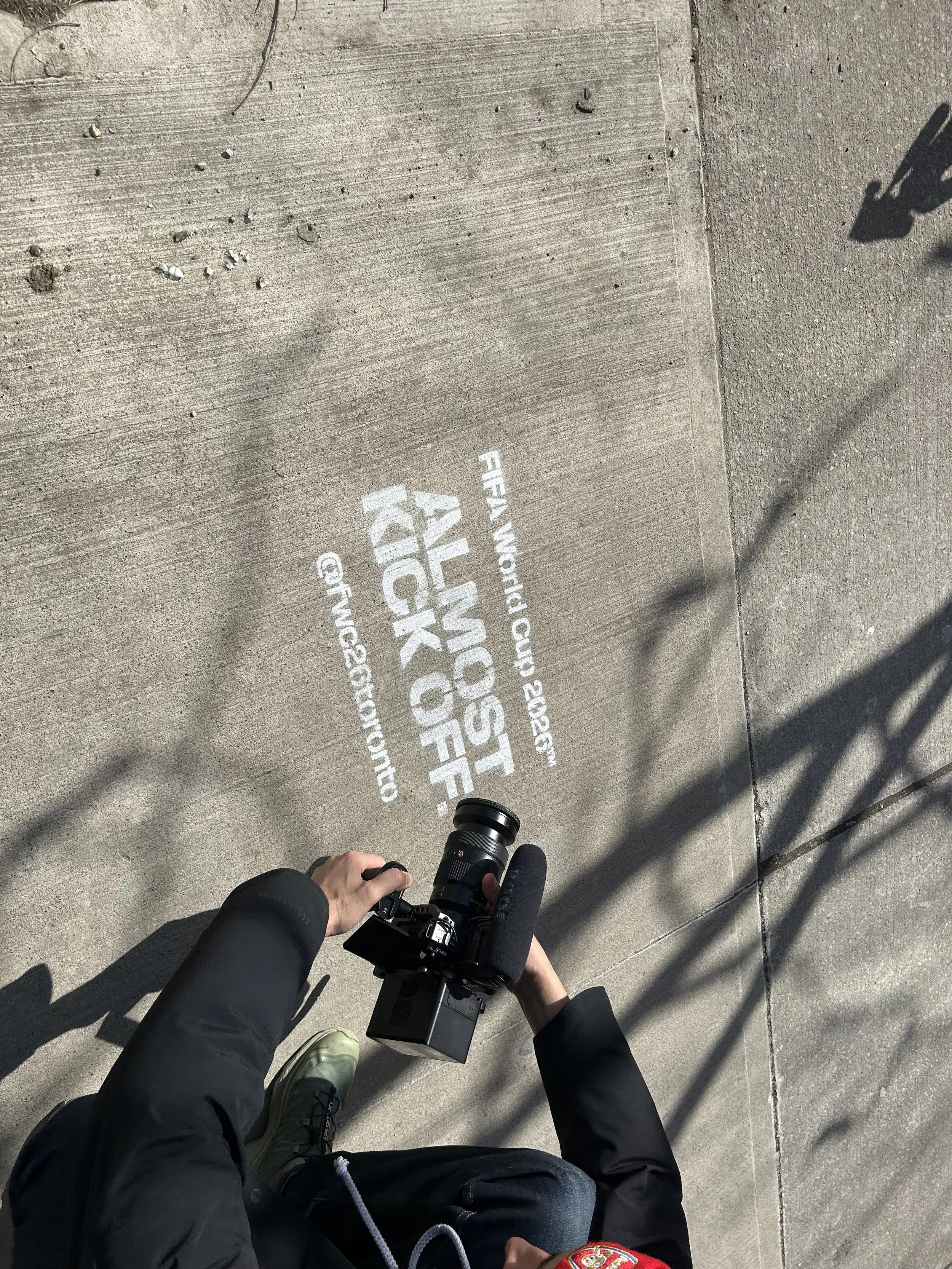
Washington, DC rewards marketing that feels immediate, local, and impossible to scroll past. Sidewalk stencil advertisingdoes exactly that. It places your message at eye level for pedestrians, commuters, event crowds, students, and tourists who are already moving through the blocks that matter to your campaign. For planning, scheduling, or site review, reach out at info@sidewalktattoos.com.
Street media that matches the pace of DC
The District is built for foot traffic. Downtown corridors fill with office workers during the week. Entertainment districts come alive at night. Tourist zones stay active through the day, then surge again during seasonal events. A well-placed stencil can turn a sidewalk into directional media, a photo moment, or a direct call to action.
That matters because DC is not one audience. A campaign near Metro Center speaks to a different crowd than one near Union Market, U Street, Georgetown, or Columbia Heights. Strong stencil advertising respects that difference. Copy stays short, visuals stay bold, and placement follows real pedestrian behavior rather than generic citywide assumptions.
This format also works well for brands that want presence without relying on conventional ad inventory. When done with a clear plan, temporary materials, and proper approvals, sidewalk stencils can support launches, retail pushes, pop-ups, festivals, nightlife promotions, and brand awareness campaigns with a distinctly urban feel.
Where stencil campaigns perform best
In Washington, the right block matters as much as the artwork.
Downtown corridors like Metro Center, Gallery Place, and Penn Quarter offer strong weekday exposure, especially during commute windows and lunch hours. Commercial streets including 14th Street NW, U Street, Adams Morgan, H Street NE, and Columbia Heights often perform well for lifestyle, fashion, food, beverage, and entertainment brands because foot traffic stays active into the evening and across weekends.
Tourist and transit zones can be equally valuable. Union Station, Smithsonian-adjacent areas, Georgetown, and museum-heavy corridors create visibility with visitors who are already walking, scanning, and taking photos. Event timing also matters in DC. Cherry Blossom season, major street festivals, cultural weekends, and university activity can all raise impressions in a short period.
After reviewing objectives, common targeting priorities include:
Downtown commuter corridors
Retail and nightlife clusters
Museum and visitor areas
Campus-adjacent streets
Event-driven foot traffic
Transit connection points
Creative built for fast-moving pedestrians
The best sidewalk stencil campaigns in DC are simple enough to read in seconds and strong enough to be remembered later. That usually means bold letterforms, high contrast, limited text, and a layout that works from several feet away. A rushed commuter will not stop to decode fine detail.
Short messages tend to perform best. Think three to six words, a direct prompt, a strong logo, a URL, or a QR code paired with a clear value proposition. Icons help too. Arrows, footprints, product silhouettes, or directional cues make the message easier to process while walking.
Neighborhood context should shape the creative. Near federal and downtown office cores, cleaner palettes and direct copy often read well. In youth-oriented, nightlife, or art-forward areas, brighter color choices and more playful phrasing can create stronger response. In culturally distinct neighborhoods, relevant language and visual references can make the work feel part of the place rather than pasted onto it.
A few creative principles consistently improve performance:
Keep it brief: fast-read copy beats detailed explanations
Use contrast: bold colors and clean shapes hold attention
Build for motion: pedestrians read while walking, not standing still
Think local: tone, color, and references should fit the neighborhood
Add a next step: QR scans, event info, launch dates, or directional prompts
Compliance matters in the District
Washington is not a city where sidewalk advertising should be handled casually. Writing or painting on public sidewalks without permission can violate DC law, even when the material is temporary. Chalk is not automatically exempt. That is why campaign planning needs to start with location review, property status, and the right approval path.
There is no simple, universal “sidewalk ad permit” for public space in DC. Depending on the campaign, approvals may involve DDOT public space processes, special event frameworks, property permissions, or public art channels. Content and placement also matter. Graphics cannot obstruct safe pedestrian flow, create slip issues, mimic official pavement markings, or interfere with ADA access.
For brands that want to do this responsibly, permit-first planning is the only smart route. Questions about campaign feasibility, materials, or documentation can be sent to info@sidewalktattoos.com.
Materials, weather, and campaign timing
DC weather changes the life span of a stencil campaign. Spring and fall often bring the strongest pedestrian conditions. Summer can be active too, though humidity and storms make timing more important. Winter foot traffic can drop sharply during severe cold, rain, or snow.
Temporary sidewalk stencil advertising usually relies on washable, eco-conscious materials like water-soluble chalk or spray chalk, especially when the campaign is meant to be short-lived. These materials are ideal for event runs, launches, one-day activations, and quick awareness bursts. Their tradeoff is durability. Rain can erase them quickly, and heavy foot traffic wears them down fast.
Longer-lasting painted applications require a very different process and should only be used where approvals specifically allow them. Surface prep, material choice, slip resistance, and sealing all matter. In many DC use cases, short-term temporary execution is the more practical fit.
Timing decisions often follow this logic:
Dry forecast: better visibility and longer life
Commute windows: strong weekday impression volume downtown
Weekend afternoons: useful for retail, hospitality, and cultural traffic
Event tie-ins: sharper relevance and stronger social sharing
Fast deployment: often possible within 48 to 72 hours when approvals and artwork are ready
A smart fit for launches, events, and local brand pushes
Sidewalk stencils are especially effective when the goal is immediate attention close to the point of action. That may be a store opening, pop-up, concert, product drop, gallery show, nightlife event, conference activation, or neighborhood promotion. The format feels direct because it lives in the pedestrian environment rather than above it.
It can also work as part of a larger street campaign. Sidewalk Tattoos often pairs stencil activations with wheat pastingand poster installations so a brand can hold multiple touchpoints across the same neighborhood. Posters create repeated visual presence at vertical sightlines. Stencils add ground-level interaction and directional energy. Together, they can make a campaign feel more visible and more native to the street.
If you are weighing single-format versus mixed-format street media in DC, contact info@sidewalktattoos.com to map out the right approach.
What execution should look like
A professional sidewalk stencil campaign should not begin with artwork alone. It should begin with city logic: target audience, neighborhood fit, permissions, materials, timing, and documentation. That is where street campaigns become strategic rather than random.
Sidewalk Tattoos plans activations with mapped placement, temporary material options, and photo plus geo-tagged reporting. That gives brands and agencies proof of execution, clearer campaign oversight, and a record they can share internally after launch. It also makes multi-location campaigns easier to manage across DC and beyond.
Good execution usually includes site review, creative adaptation for pavement reading distance, scheduling around foot traffic patterns, and a documentation package once the work is live. For event marketers and agency teams, that structure saves time and reduces uncertainty.
Built for brands that need visibility now
Washington, DC is one of the strongest cities in the country for street-level media when the campaign is thoughtfully placed and properly approved. The audience is mobile, observant, and highly responsive to visuals that feel local. A stencil activation can direct movement, spark social sharing, and put your message inside the daily flow of the city.
Whether the goal is one neighborhood or a broader multi-zone push, the process should be fast, clear, and accountable. To discuss a DC activation, request a quote, or review timing and compliance considerations, email info@sidewalktattoos.com.
For campaign requests, site questions, or rollout planning across Washington and other markets, email info@sidewalktattoos.com.
Frequently Asked Questions
How long do sidewalk stencil campaigns usually last in Washington, District of Columbia?
Visibility depends on traffic and weather, typically lasting several days.
What kinds of brands benefit most from sidewalk stencils?
Advocacy, events, and awareness campaigns perform well.
Can sidewalk stencils be paired with other street media?
Yes.
Do stencil campaigns work during major events?
Yes, especially around political and cultural events.
What should the stencil design include?
Clear, concise messaging.
Is documentation available after installation?
Yes.
Do you handle production and installation?
Yes.
Washington, D.C. offers strong visibility for targeted messaging campaigns.
SIdewalk stencil ADVERTISING in the following cities :
sidewalk stencil advertising in Atlanta, Georgia
sidewalk stencil advertising in Austin, Texas
sidewalk stencil advertising in Boston, Massachusetts
sidewalk stencil advertising in Charlotte, North Carolina
sidewalk stencil advertising in Chicago, Illinois
sidewalk stencil advertising in Los Angeles, California
sidewalk stencil advertising in Miami, Florida
sidewalk stencil advertising in Milwaukee, Wisconsin
sidewalk stencil advertising in New Orleans, Louisiana
sidewalk stencil advertising in Philadelphia, Pennsylvania
sidewalk stencil advertising in Phoenix, Arizona
sidewalk stencil advertising in Portland, Oregon
sidewalk stencil advertising in San Francisco, California
sidewalk stencil advertising in Seattle, Washington
sidewalk stencil advertising in Washington, District of Columbia
sidewalk stencil advertising in Houston, Texas
sidewalk stencil advertising in Montreal, Canada