
sidewalk stencil advertising in Philadelphia, Pennsylvania
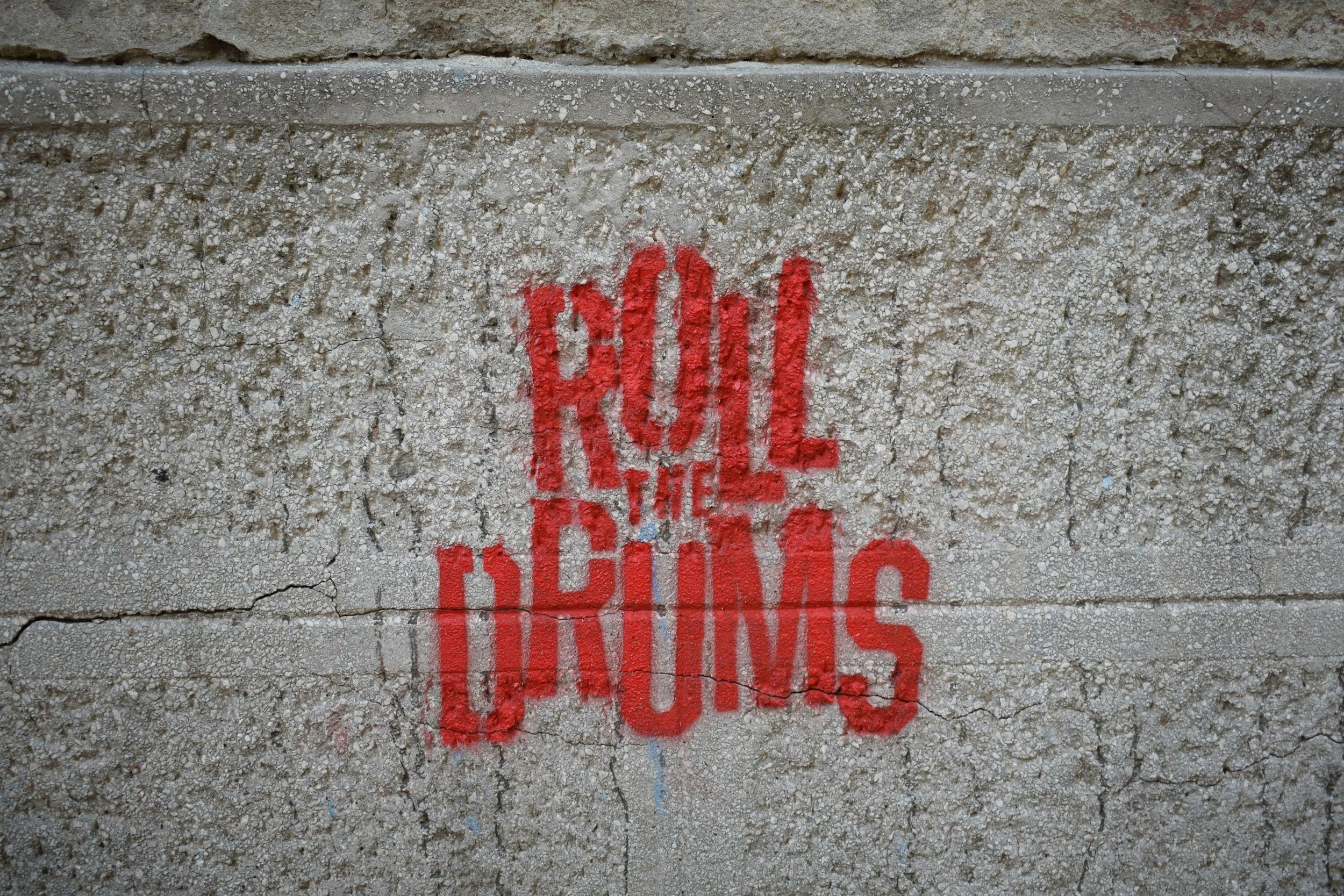
Philadelphia is a city that rewards brands willing to show up in the street, not just on a screen. In the right corridor, a sidewalk stencil can catch attention in a split second, turn a routine walk into a branded moment, and place your message directly in the path of shoppers, students, commuters, nightlife crowds, and eventgoers.
For companies looking to make an impact at ground level, this format offers speed, visibility, and strong local character. Campaign planning, location strategy, custom artwork, and documented execution can all be coordinated through Sidewalk Tattoos. To discuss a Philadelphia activation, reach out at info@sidewalktattoos.com.
Why Philadelphia is a strong stencil market
Philadelphia has the density, neighborhood identity, and pedestrian energy that make street-level media worth considering. Center City, University City, South Street, Old City, East Passyunk, Fishtown, and parts of Northern Liberties all offer the kind of walkable traffic that can give a stencil campaign real exposure. A message placed in the right block can be seen by a steady flow of people already in motion and already primed to notice what is around them.
This matters because sidewalk stencil advertising works best when the audience is close, curious, and moving at pedestrian speed. A driver passing a billboard has seconds. A person walking to lunch, entering a venue, waiting at a crosswalk, or heading into a retail corridor has more time to absorb a visual cue, a short message, or a directional prompt.
Philadelphia also responds well to creative work with local tone. Neighborhoods here have distinct personalities, and campaigns tend to perform better when the visual language feels connected to the block rather than pasted on from somewhere else.
What this format can do for a brand
A strong stencil campaign is not just decoration. It can support foot traffic, event attendance, product launches, retail openings, nightlife promotions, pop-ups, and local brand recall. It is especially useful for businesses that depend on walk-in visibility or want to reach people near a specific venue, store, or activation zone.
When executed with good mapping and strong design, the format can support goals like these:
Awareness: Put the brand in front of people where they physically move through the city
Wayfinding: Lead pedestrians toward a storefront, event entrance, pop-up, or launch location
Recall: Use repetition across several blocks to make a name or visual identity stick
Social lift: Create moments people photograph and share
Neighborhood presence: Show up in a way that feels immediate and local
Local examples of temporary sidewalk art in Philadelphia have shown that people respond when the work adds color, energy, and relevance to the street. That does not mean every placement gets the same reaction. The block, the audience, the timing, and the creative all shape the result.
Planning campaigns around Philadelphia foot traffic
The best stencil campaigns start with placement strategy. In Philadelphia, that means thinking block by block. A stencil near a busy retail corner on a Saturday afternoon has a very different audience than one placed on a quiet residential side street. The strongest plans look closely at pedestrian patterns, nightlife flow, event calendars, nearby businesses, transit access, and the mood of the neighborhood.
This is where mapped execution matters. A campaign can be built around one flagship area or spread across several clusters, depending on the audience and timeline. Common use cases include a retail push in Center City, a launch tied to bars and music venues in Fishtown, or a branded route leading to a one-night event in Old City.
Sidewalk Tattoos plans these campaigns with documentation in mind as well, so brands can review where work was placed and how the rollout looked on the street. For project inquiries, send details to info@sidewalktattoos.com.
Philadelphia requires a realistic legal view
Philadelphia is not a city where public sidewalk stencil advertising comes with a simple permit path. There is no standard official permit for this tactic on public sidewalks, and unsanctioned street markings are generally treated as unauthorized postings or graffiti. That makes planning more nuanced than in markets where temporary street advertising has clearer rules.
This reality should shape expectations from the start. Public-space stencil work in Philadelphia is short-lived by nature, not only because of enforcement concerns but also because of weather, street cleaning, and routine wear. Rain can erase chalk-based applications quickly. City cleanup activity can remove markings within days. Winter conditions shorten lifespan even more.
That is why campaigns in Philadelphia need careful review of location type, material choice, timing, and risk tolerance. Some brands also consider adjacent options, including private-property opportunities, event-linked activations, or combined street campaigns that pair posters and stencils for broader visibility. If you want to talk through what is practical for your goals, email info@sidewalktattoos.com.
Creative direction that fits the city
Design has to work instantly. People do not stop for long copy on a sidewalk. The strongest stencil concepts are visually clean, readable from standing height, and sharp enough to register in a glance. In a city like Philadelphia, that usually means bold contrast, concise wording, and a layout that survives imperfect pavement conditions.
Creative can lean brand-forward, event-forward, or culture-forward. A fashion label may want logo repetition and a simple URL. A concert campaign may need date, venue, and directional cues. A restaurant opening may focus on route-building from nearby foot traffic zones. What matters is clarity and fit.
Useful design principles often include:
Short headlines
Bold typography
Strong iconography
Limited copy
High-contrast color
Local references when appropriate
Philadelphia audiences also tend to notice authenticity. A stencil that feels too generic can disappear into the visual noise. A stencil that reflects the area, the crowd, or the moment has a much better chance of being noticed and remembered.
Who tends to benefit most
This tactic is usually strongest for brands with something happening nearby and soon.
It often makes sense for:
Retail stores: openings, drops, weekend traffic pushes
Restaurants and bars: launch nights, limited menus, happy hour awareness
Events: concerts, festivals, gallery shows, branded pop-ups
Fashion labels
Startups
Entertainment brands
Agencies running local rollouts
Consumer apps targeting young urban audiences
Brands that depend mostly on car traffic or appointment-only business models may see less value from a pedestrian-first format unless the campaign is tied to a broader launch.
Materials, timing, and campaign lifespan
Material choice shapes both look and longevity. Temporary options are often preferred because they support short-run activations and reflect the reality of city conditions. Eco-conscious, removable materials are often the best fit for campaigns designed around a brief promotional window rather than long-term street presence.
Timing matters just as much as the artwork. Spring, early summer, and fall usually offer the best balance of foot traffic and weather. Event weekends, nightlife peaks, campus activity, and shopping periods can all improve visibility. A good stencil placed at the wrong time can underperform. The same design placed before a busy weekend can feel much bigger.
Philadelphia also rewards fast rollout. Brands often want a campaign live within a tight launch window, and street activations are most effective when they appear at the moment interest peaks.
Street campaigns work even better when combined
A stencil does not have to work alone. One of the strongest approaches is to combine sidewalk messaging with wheat-pasted posters, custom installations, and photo-documented coverage across multiple neighborhoods. That creates repetition in different formats while keeping the campaign rooted in the street.
This combined approach can support:
Product launches across several districts
Event promotion with directional street cues
Brand takeovers near nightlife and retail corridors
Short-term awareness bursts tied to a press push or social campaign
Sidewalk Tattoos is built for this kind of execution, with mapped placements, geo-tagged documentation, and the ability to move quickly across Philadelphia and beyond. To request a campaign outline, contact info@sidewalktattoos.com.
Build a Philadelphia activation around real street behavior
The strongest street campaigns are not random. They are placed where people already gather, designed for the pace of the sidewalk, and timed for the exact moment a brand wants attention. In Philadelphia, that means respecting neighborhood context, planning for temporary visibility, and treating every block as part of a larger strategy.
If your brand wants street-level media that feels immediate, visible, and city-specific, a sidewalk stencil campaign can be a powerful part of the mix. To start planning locations, creative, and rollout options, email info@sidewalktattoos.com.
Frequently Asked Questions
How long do sidewalk stencil campaigns usually last in Philadelphia?
Stencil visibility typically lasts several days, depending on weather and foot traffic in dense areas like Center City.
What kinds of brands benefit most from sidewalk stencils in Philadelphia?
Events, nightlife, retail, and university-focused brands perform well.
Can sidewalk stencils be paired with other street media?
Yes.
Do stencil campaigns work during major Philadelphia events?
Yes, including sports games and festivals.
What should the stencil design include?
Clear, bold messaging.
Is documentation available after installation?
Yes.
Do you handle production and installation?
Yes.
Philadelphia’s density and student population make it strong for repeat exposure.
SIdewalk stencil ADVERTISING in the following cities :
sidewalk stencil advertising in Atlanta, Georgia
sidewalk stencil advertising in Austin, Texas
sidewalk stencil advertising in Boston, Massachusetts
sidewalk stencil advertising in Charlotte, North Carolina
sidewalk stencil advertising in Chicago, Illinois
sidewalk stencil advertising in Los Angeles, California
sidewalk stencil advertising in Miami, Florida
sidewalk stencil advertising in Milwaukee, Wisconsin
sidewalk stencil advertising in New Orleans, Louisiana
sidewalk stencil advertising in Philadelphia, Pennsylvania
sidewalk stencil advertising in Phoenix, Arizona
sidewalk stencil advertising in Portland, Oregon
sidewalk stencil advertising in San Francisco, California
sidewalk stencil advertising in Seattle, Washington
sidewalk stencil advertising in Washington, District of Columbia
sidewalk stencil advertising in Houston, Texas
sidewalk stencil advertising in Montreal, Canada