
sidewalk stencil advertising in Chicago, Illinois
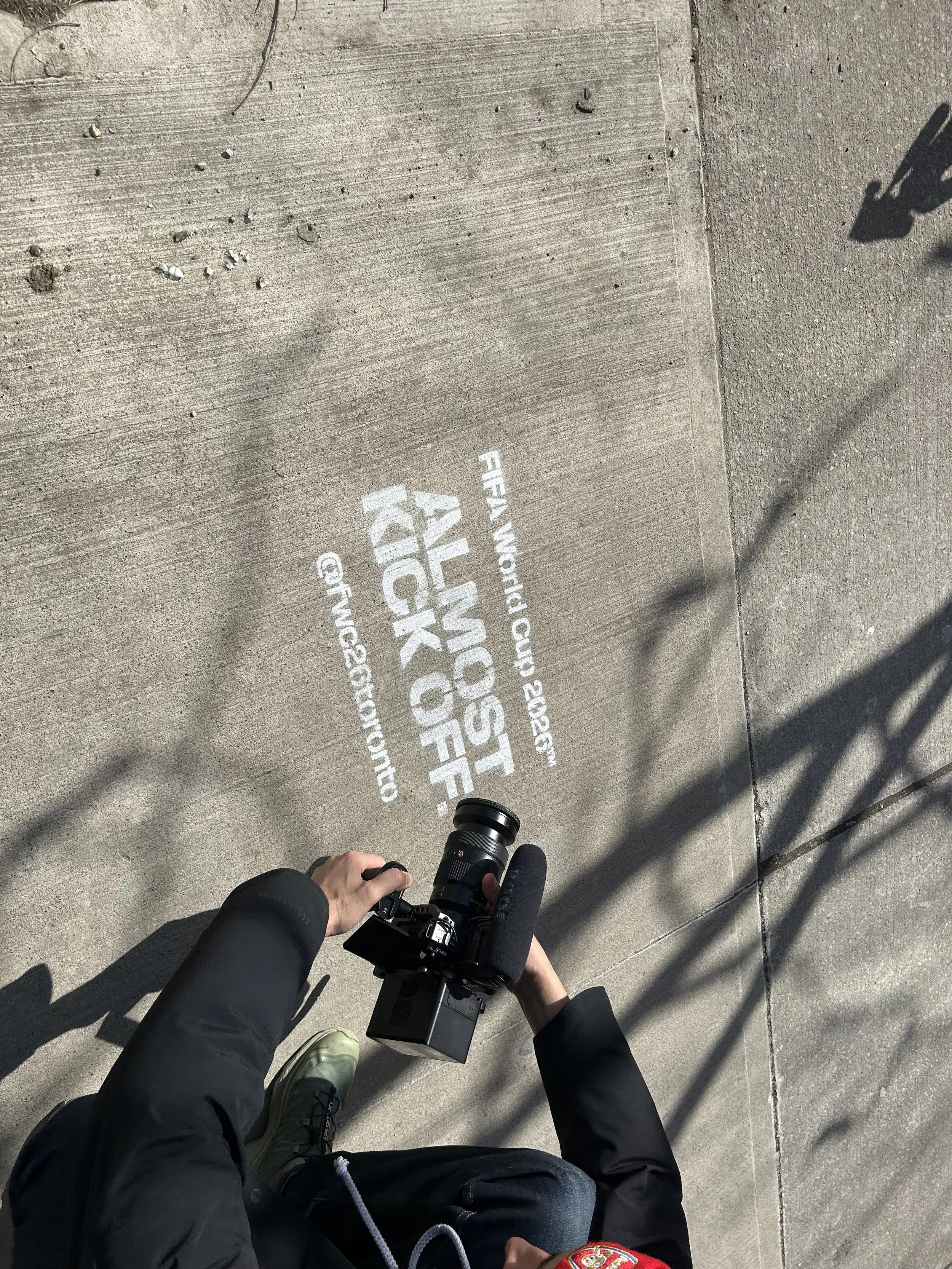
Chicago is built for street-level attention. Dense foot traffic, neighborhood identity, event culture, retail corridors, and transit-heavy movement create the kind of environment where pavement messaging can feel immediate and memorable. When a stencil campaign is smart, clean, and visually sharp, it turns an ordinary walkway moment into brand recall.
For brands, agencies, artists, and event promoters looking at this format in Chicago, Sidewalk Tattoos helps shape campaigns with strategy, creative direction, and real-world execution planning. To start a conversation about scope, timing, or market coverage, reach out at info@sidewalktattoos.com.
Why stencil-based street advertising gets noticed
Sidewalk stencil advertising places a message directly in the pedestrian path. That matters in a city where people are constantly moving between storefronts, stations, restaurants, offices, venues, and neighborhood hotspots. The format is fast to absorb. A logo, short phrase, directional cue, or campaign visual can register in seconds.
It also feels different from standard ad placements. Billboard space sits above the crowd. Digital ads compete with every screen. Pavement messaging works at eye-to-ground level, where attention is less filtered and often more instinctive.
In Chicago, that can be especially powerful near shopping corridors, entertainment districts, launch events, and concentrated nightlife. A well-placed stencil sequence can reinforce an opening, build anticipation for an event, or give a local activation a stronger street presence.
This medium works best when the concept is simple, repeatable, and tied to movement.
What brands use this format for
Some campaigns need broad awareness. Others need a directional push, a neighborhood cue, or a visual signature that feels rooted in the street. Sidewalk stencil advertising can support both.
After the strategy is defined, this format is often used for:
Product drops
Store openings
Event promotion
Festival visibility
Fashion launches
Music and entertainment campaigns
Local brand awareness
Short-window activations
It can also support campaigns that need visual repetition across multiple blocks or target zones. That repeated exposure creates a familiar rhythm, which is one reason stencil activations can photograph well and travel onto social platforms.
Chicago requires a smart, realistic plan
Chicago offers strong pedestrian density, but it is also a market where rules matter. Commercial advertising on public sidewalks is heavily restricted, and public-way stencil advertising is not a simple plug-and-play media buy. That means campaign planning needs to start with a clear view of what is and is not workable.
That is where strategy becomes more important than hype. Instead of treating every pavement surface as available, the right approach is to review location type, permissions, campaign goals, duration, and risk tolerance before creative is finalized. For planning support in Chicago or any other market, email info@sidewalktattoos.com.
A strong campaign is not just eye-catching. It is considered, mapped, documented, and built around the realities of the city.
How the creative should work
Stencil advertising is strongest when the message can be grasped instantly. This is not long-copy media. It is visual interruption with purpose.
Design usually performs better when it includes high contrast, bold typography, limited wording, and a clear brand cue. If the viewer needs several seconds to decode the message, the impact drops. Chicago sidewalks are busy environments, so clarity matters.
Good creative direction often includes a balance of brand identity and neighborhood relevance. A campaign near Fulton Market may call for a different visual tone than one tied to Pilsen, River North, Wicker Park, the Loop, or a sports-adjacent activation. The best work feels intentional in context rather than dropped in from nowhere.
A practical creative brief often includes:
Message length: short, fast, and readable
Visual priority: logo, icon, phrase, or directional cue
Placement logic: tied to traffic flow and pedestrian pauses
Repeat pattern: enough frequency to build recall
Documentation needs: photos and geo-tagged proof for reporting
Where this format can make the biggest impact
Chicago is not one audience. It is a network of highly distinct micro-markets. That makes localized planning essential. A campaign built for tourists on a high-traffic retail corridor should not look or behave the same way as one aimed at a neighborhood crowd, a gallery audience, or a late-night event scene.
Stencil campaigns usually perform best where foot traffic naturally compresses, slows, or clusters. Think entrances, exits, corridors, event-adjacent routes, and neighborhood streets where people are already in discovery mode.
Common strategic targets include:
Retail corridors: areas where shoppers are already primed to notice storefront cues
Transit-adjacent zones: strong for repetition and directional messaging
Event routes: useful for launches, pop-ups, and timed activations
Entertainment districts: effective when nightlife foot traffic is high
Cultural neighborhoods: strongest when the design reflects local tone and audience
When paired with posters, temporary installs, or supporting digital content, stencil activations can become part of a broader citywide presence rather than a one-off tactic.
A stronger Chicago campaign is usually integrated
Stencil advertising can stand on its own, but it often works harder when paired with other street media. Combined campaigns create more touchpoints and give the audience multiple ways to encounter the same message.
Sidewalk Tattoos is known for combining wheat pasting, stencil activations, mapped deployment, and photo documentation across major markets. In a city like Chicago, that integrated structure can help a campaign feel more deliberate and more visible. If you want to review a multi-format plan, send details to info@sidewalktattoos.com.
That combination can be useful for:
poster corridors that build broad visibility
stencil touchpoints that reinforce the message at street level
launch-week bursts with fast turnaround
geo-documented reporting for agencies and brand teams
The result is not just a creative moment. It is a media footprint.
Execution details matter more than people think
A stencil campaign can look simple from the outside, yet strong execution depends on timing, materials, route planning, crew coordination, and documentation. Chicago weather adds another layer. Rain, snow, wind, and heavy pedestrian wear all influence how long a temporary application remains visible.
Campaign timing should also reflect neighborhood rhythm. Lunch traffic, commuter flow, weekend nightlife, event start times, and retail peak windows can all shape when placement matters most. Street-level media rewards precision.
Documentation is another major part of the service value. Brands and agencies need proof of execution, not just verbal confirmation. Mapped deployment, photo coverage, and geo-tagged reporting create accountability and make it easier to review performance alongside other channels.
Brand fit, public perception, and local tone
Chicago audiences respond well to work that feels native to the city. That does not mean every activation has to imitate street art. It means the campaign should show awareness of place, audience, and visual culture.
A strong stencil campaign can feel energetic, urban, and timely. A weak one can feel careless or overly promotional. That difference often comes down to creative restraint. Short messages, clean application, thoughtful location logic, and a well-matched visual tone tend to produce a better public response.
For brands that want the energy of guerrilla media without losing strategic discipline, the right plan starts with a real assessment of goals, acceptable surfaces, and campaign lifespan. Questions about timelines, market rollout, or creative format can be sent to info@sidewalktattoos.com.
Planning support for Chicago activations
Some clients arrive with finished artwork. Others start with a launch date, a target neighborhood, and a need for visibility fast. Both can work. What matters is translating the goal into a street-level format that makes sense for Chicago.
Support may include concept planning, design input, market mapping, multi-neighborhood rollout, documentation, and coordination with related out-of-home tactics. Fast-turn campaign windows are often possible, especially when the creative direction is clear and deployment requirements are defined early.
If your team is considering a Chicago activation and wants a grounded view of what stencil advertising can do, Sidewalk Tattoos can help shape the plan and identify the right path forward. For inquiries, proposals, and timing requests, contactinfo@sidewalktattoos.com.
Frequently Asked Questions
How long do sidewalk stencil campaigns usually last in Chicago?
Weather and heavy foot traffic impact duration, but visibility typically holds for several days.
What kinds of brands benefit most from sidewalk stencils in Chicago?
Retail, nightlife, events, and entertainment brands.
Can sidewalk stencils be paired with other street media?
Yes.
Do stencil campaigns work during major Chicago events?
Yes, especially festivals and sports events.
What should the stencil design include?
Minimal, bold messaging.
Is documentation available after installation?
Yes.
Do you handle production and installation?
Yes.
Chicago’s density makes repetition essential for strong impact.
SIdewalk stencil ADVERTISING in the following cities :
sidewalk stencil advertising in Atlanta, Georgia
sidewalk stencil advertising in Austin, Texas
sidewalk stencil advertising in Boston, Massachusetts
sidewalk stencil advertising in Charlotte, North Carolina
sidewalk stencil advertising in Chicago, Illinois
sidewalk stencil advertising in Los Angeles, California
sidewalk stencil advertising in Miami, Florida
sidewalk stencil advertising in Milwaukee, Wisconsin
sidewalk stencil advertising in New Orleans, Louisiana
sidewalk stencil advertising in Philadelphia, Pennsylvania
sidewalk stencil advertising in Phoenix, Arizona
sidewalk stencil advertising in Portland, Oregon
sidewalk stencil advertising in San Francisco, California
sidewalk stencil advertising in Seattle, Washington
sidewalk stencil advertising in Washington, District of Columbia
sidewalk stencil advertising in Houston, Texas
sidewalk stencil advertising in Montreal, Canada