
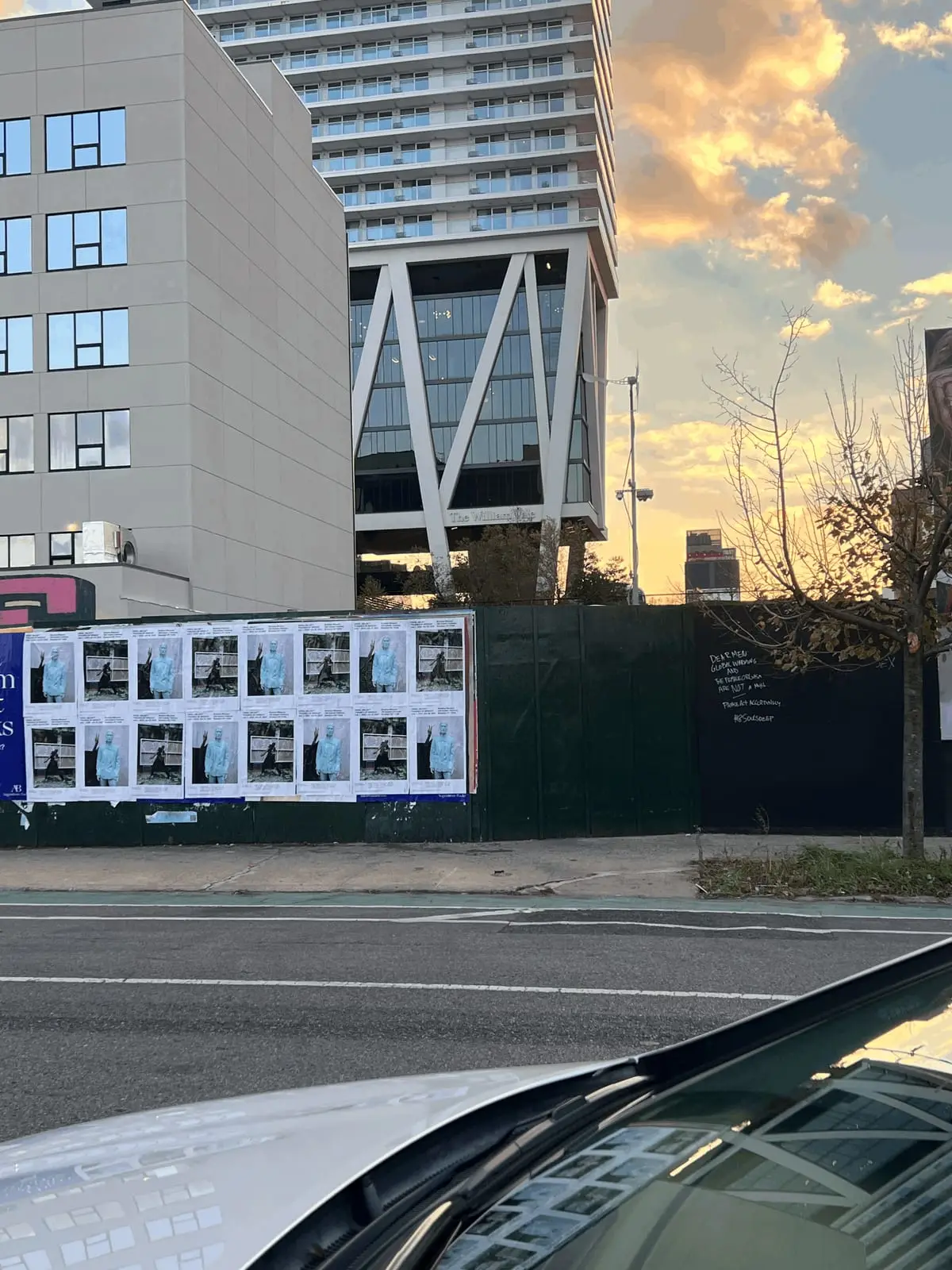
New York did not pick up wheat pasting in one move. It picked it up in layers, each era pasted over the last, and you can still read those layers on a downtown wall. Here is that history as a timeline, from show flyers to brand launches. For a portrait of the walls as they feel right now, read Wheat Pasting Became a New York City Staple.
The timeline at a glance
- Late 1970s to early 1980s. Bands, activists and street artists paste cheap posters because nothing else gets the word out as fast.
- The paste-up becomes art. Names like Swoon and FAILE turn the format into work people go looking for.
- 1990s to early 2000s. Artists such as Shepard Fairey carry the wheatpaste look into the mainstream, and marketers notice.
- Brands move in. Fashion labels, record labels and film studios borrow the street aesthetic for their own campaigns.
- Today. A planned medium: written city rules, mapped placements, proof of performance.
Late 1970s and early 1980s: the cheapest way to be heard
The first New York wave had nothing to do with ad budgets. Underground musicians needed a crowd at the next show. Activists needed a message on the block before a rally. Artists without a gallery took the street wall instead. Paper, a bucket of paste and a brush cost next to nothing, and the city supplied the surface for free: brick, plywood construction fences, the strip of wall beside a subway stair.
Repetition is what made it work. One flyer is a notice. Fifty copies of it down one block is a statement, and New Yorkers learned to read their walls the way they read a newsstand.
From flyer to art form
Over time the technique stopped being only a delivery method. Street artists treated paste-ups as finished pieces, and names like Swoon and FAILE helped make wheat pasting an art form in its own right. Weather became part of the work. A sheet that tore, faded or got covered by the next crew showed how long it had held and who had come after it.
1990s and early 2000s: the look goes mainstream
By the 1990s and early 2000s, artists like Shepard Fairey had pushed the wheatpaste aesthetic well past the street, and marketers took note. A format born as the opposite of advertising started to look like the most believable way to reach people who tune ads out.
Brands move onto the wall
Fashion brands, record labels and film studios started borrowing the look. The logic was plain: a row of posters on a SoHo or Lower East Side block reads like culture, not like media bought from a rate card. Album drops, film releases and store openings began to appear in the same rows of paper that once carried show dates.
Today: the rules are written down
The modern chapter runs on discipline as much as nerve. The city's posting rules are specific and public fixtures are off limits, so wheat pasting in New York sits in a gray area that changes by block. Good campaigns now run on mapped placements, and they end with a digital gallery of every piece. The rules themselves are covered in Wheatpasting in NYC: What the City Demands.
Where Sidewalk Tattoos comes in
We paste in that tradition: posters on the walls, sidewalk tattoos underfoot, every run planned block by block and pasted overnight. We work every state, across Canada and through Europe, and New York still sets the bar.
Ready to add the next layer? Start with wheatpasting in New York City: the neighborhoods, the formats and how a run gets planned there.