
Takeaway Sample Posters: The Street Format That Lets People Take a Piece of Your Brand Home
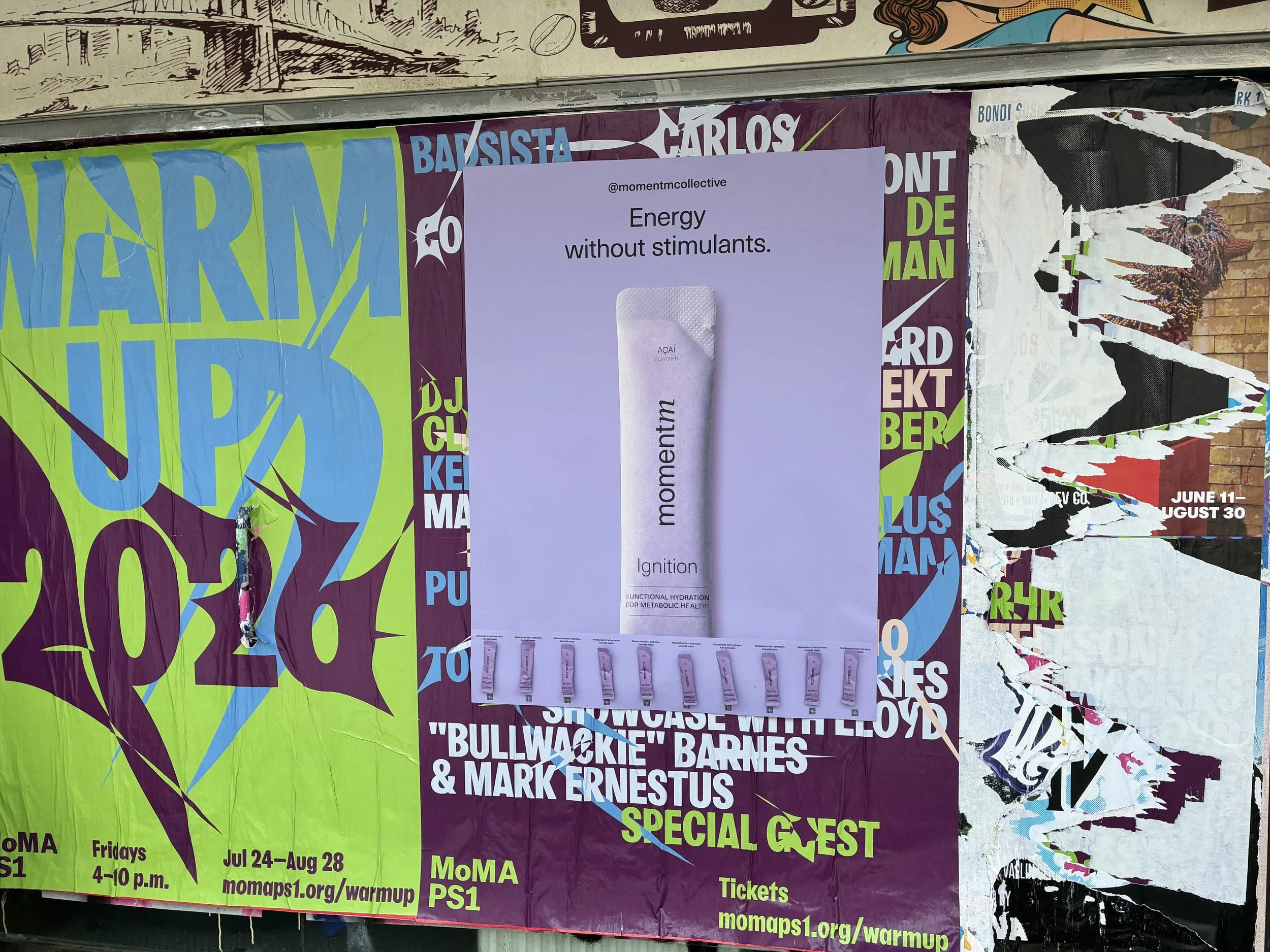
Takeaway posters by sidewalk tattoos.
A street poster usually asks for a glance. A takeaway sample poster asks for a small action, and that changes the relationship completely.
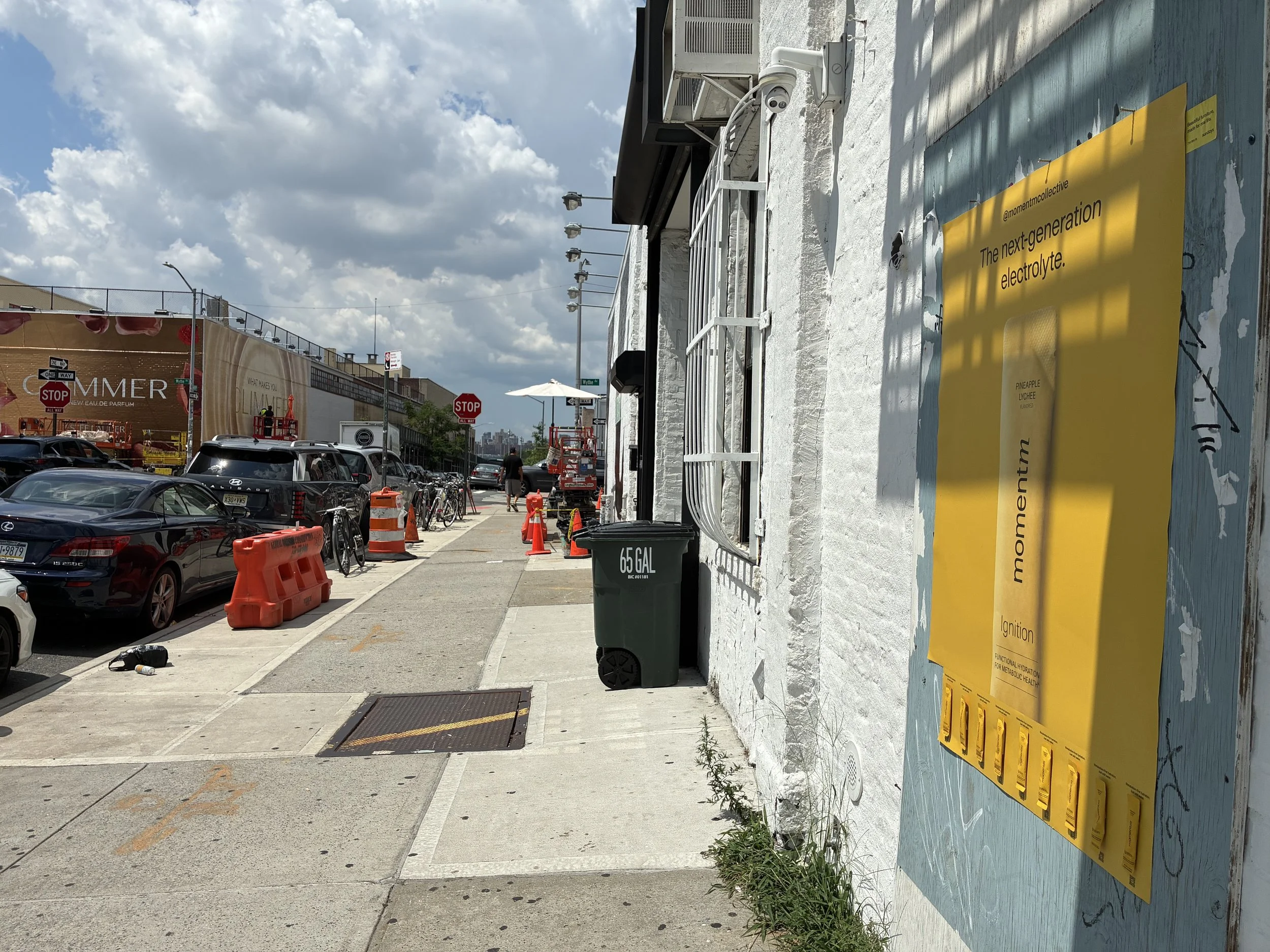
Instead of acting only as a visual impression, the poster becomes a handoff point. Someone walking by does not just see the brand. They take a sachet, peel a sample card, grab a mini pack, or scan a code tied to a physical giveaway. The poster stays in the street, but part of the campaign leaves with the person.
That simple shift gives brands a rare mix of scale and intimacy. It keeps the public visibility of wheatpaste while adding the tactile pull of sampling. For consumer brands, event launches, beauty, food, beverage, fragrance, wellness, and culture-led products, it can turn passive foot traffic into active interest very quickly.
What takeaway sample posters are in street marketing
A takeaway sample poster is a wheatpaste poster installation built with a physical sample mechanism. The format can include attached product packets, tear-off cards, pocketed inserts, redemption tabs, or instructions that direct people to claim a nearby sample. The poster still functions as out-of-home media, but it also works like a mini distribution point.
That matters because street-level media is already strong at catching attention in context. Sidewalk Tattoos installs wild wheat paste poster advertising in formats ranging from 24" x 36" up to 48" x 72", which gives brands enough real estate for bold artwork, clear branding, and a practical sample layout. Campaigns can be built as a single-block takeover or scaled into citywide activations, depending on the audience and timeline.
The best versions feel native to the street. They do not look like a retail shelf dropped onto a wall. They look like posters first, then reveal a second layer: take this, try this, wear this, taste this, save this.
Why takeaway sample posters can improve ad recall and brand memory
Posters already have a strong memory advantage when the creative is clear. A 2017 OAAA and Nielsen poster study, built on 38 out-of-home campaigns across 10 markets, found average ad recall of 47% for the poster campaigns tested. The same study reported that 51% of adults noticed a poster ad in the past month, with 38% noticing one in the past week. Among adults ages 25 to 34, poster viewership was even higher at 71% noticing a poster in the past month.
Now add a physical interaction. The poster is no longer just seen. It is touched, opened, carried, or used later. That creates a second memory moment after the street impression. The first moment happens on the wall. The second happens in a pocket, tote bag, office, kitchen, or bathroom counter.
Highlighted quote reading, "The poster stays in the street, but part of the campaign leaves with the person."
Recent academic work on out-of-home memory points in the same direction. Research presented through the European Marketing Academy found that relevance, brand identifiability, and feature complexity had positive effects on memory, while excessive design complexity and too much text branding reduced performance. That is a useful framework for takeaway sample posters: keep the brand easy to spot, make the offer relevant, and let the physical sample do part of the talking.
Some product categories are especially well suited to this format.
Beauty minis
Beverage tastings with claim mechanics
Fragrance sample cards
Wellness packets
Event flyers with attached promos
Fashion drops with collectible inserts
Why the physical sample changes street poster performance
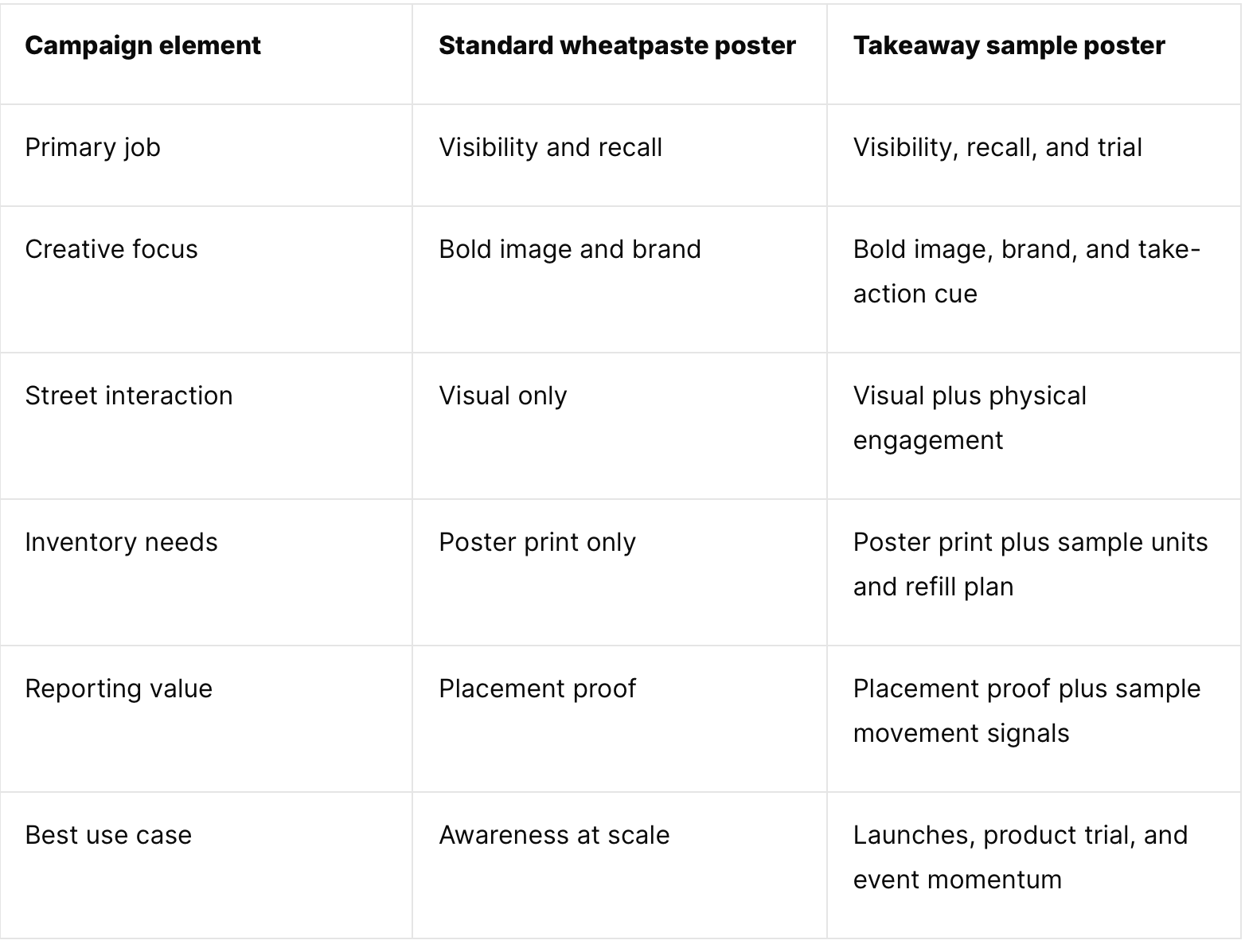
A normal poster often has one task: create awareness. A takeaway sample poster can handle several at once.
Side-by-side view of a standard wheatpaste poster versus a takeaway sample poster with attached samples and interaction points.
It can prompt trial, push social sharing, drive store visits, support a launch week, and give people something measurable to take away. That makes it attractive for brands that want more than impressions but still want the visual force of a street takeover.
There is also a psychological benefit here. A sample feels like access. When someone removes an item from a poster, the campaign becomes participatory. That can make the brand feel more present, more current, and more embedded in the culture of the block rather than placed above it.
A smart campaign usually balances four things:
Visibility: large-format placement on high-foot-traffic surfaces
Brand identifiability: logo, product, and message are readable in seconds
Interaction: an easy, low-friction way to take the sample
Repetition: enough placements to make the campaign feel real across an area
Creative design principles for takeaway sample posters
The creative has to work at two distances. From across the street, it should read as a striking poster. From arm’s length, it should make the sampling action obvious.
That means restraint matters. If the wall is visually loud, the design should become simpler, not busier. A bold product image, one clear line, one direct instruction, and one visible brand mark are often stronger than a crowded layout trying to explain everything. The academic findings on brand identifiability support this. People remember what they can recognize quickly.
The physical structure also has to be part of the design, not an afterthought.
Sample placement: visible enough to invite action, secure enough to survive public handling
Instruction copy: short, direct, and action-oriented
Refill logic: planned from the start if the campaign is expected to move volume
Photo value: built for documentation and organic social posts
A good rule is simple: if a passerby needs more than a few seconds to figure it out, the poster is working too hard.
Operational planning for wheatpaste sample campaigns
The street format is exciting because it feels spontaneous. The execution should not be spontaneous at all.
Takeaway sample posters need production planning across poster stock, attachment method, weather conditions, refill cadence, neighborhood fit, and documentation. Brands also need to think through how the sample behaves in public space. Is it lightweight? Is it sealed? Can it handle heat? Will the packet tear too easily? Can staff replenish without slowing the campaign? That is also why Harmony Skin Lab’s breakdown of sachet packaging and filling stresses seal integrity and format choice, since the difference between a sample that survives handling and one that leaks or tears can determine whether the street interaction feels premium or careless.
This is where an experienced street team makes a major difference. Sidewalk Tattoos builds poster and stencil activations with mapped placements, geo-tagged photo documentation, and reporting, which is especially useful when a campaign includes physical inventory attached to the wall. Fast activation timelines, often in the 48 to 72 hour range, also make the format practical for launches, pop-ups, surprise drops, and event support.
The table below shows how the format changes the planning process.
The most effective rollouts usually include a clear geographic logic. A single-block takeover can create intensity around a pop-up, launch party, or retail partner. A citywide activation can spread the same creative across cultural zones where the target audience already spends time. That balance of density and spread is often what separates a clever idea from a campaign that actually moves.
Measuring performance from takeaway sample posters
Measurement should start before the first poster goes up. A street campaign can absolutely be documented and assessed, even when it is built to feel organic.
Common performance signals include sample depletion rate, QR scans, redemption activity, foot traffic lift near key zones, social mentions, earned photos, and repeat visibility across mapped locations. With physical sampling, even refill speed can become useful data because it shows where the strongest response is happening.
A practical reporting plan often tracks:
Placement verification: photos and location tracking for every installed site
Sample movement: how quickly units are taken and where replenishment is needed
Audience response: scans, saves, shares, redemptions, and nearby store interest
When these signals are tied back to neighborhood clusters, brands get a sharper picture of which blocks, cities, or creative versions are doing the most work.
Pairing takeaway sample posters with sidewalk stencils
Posters do not have to carry the entire system alone. A stencil campaign can extend the experience and guide people toward the poster locations.
Sidewalk Tattoos also produces sidewalk stencil activations using custom-cut templates and eco-friendly temporary paint. In practice, that can create a breadcrumb trail effect leading toward a giveaway wall, pop-up, event entrance, or featured retail partner. The stencil becomes the directional cue. The poster becomes the payoff.
This combination works especially well when the sample poster is part of a broader launch. The poster creates the collectible moment. The stencil spreads the message through the surrounding area and increases the odds that foot traffic flows in the right direction.
Best brand scenarios for takeaway sample posters
This format is strongest when the product benefits from first-hand experience and when the audience is likely to act in the moment.
A fragrance blotter, a skincare sachet, a flavor sample, a promo item for an album drop, or a collectible insert for a fashion release all make immediate sense on the street. The same goes for events that need urgency. If the poster can help someone try something now, or give them a reason to show up later that day, the street starts acting like a live channel instead of a static one.
The strongest campaign briefs usually share a few traits.
Clear audience geography
A product people can trial quickly
Visual identity that reads fast
Enough scale to create repetition
A reporting plan tied to real business goals
Takeaway sample posters sit in a useful middle ground. They are bigger and more public than hand-to-hand sampling. They are more tactile than a standard poster wall. And when they are designed with clarity, placed at the right density, and supported with documented execution, they can turn a city block into a working sample medium.
If the goal is to put your product into people’s hands while keeping the visual impact of wheatpaste in the streets, this format is worth serious attention. Contact Sidewalk Tattoos to plan a mapped takeaway poster campaign built for your market, your timeline, and the kind of response you want people to carry away.